

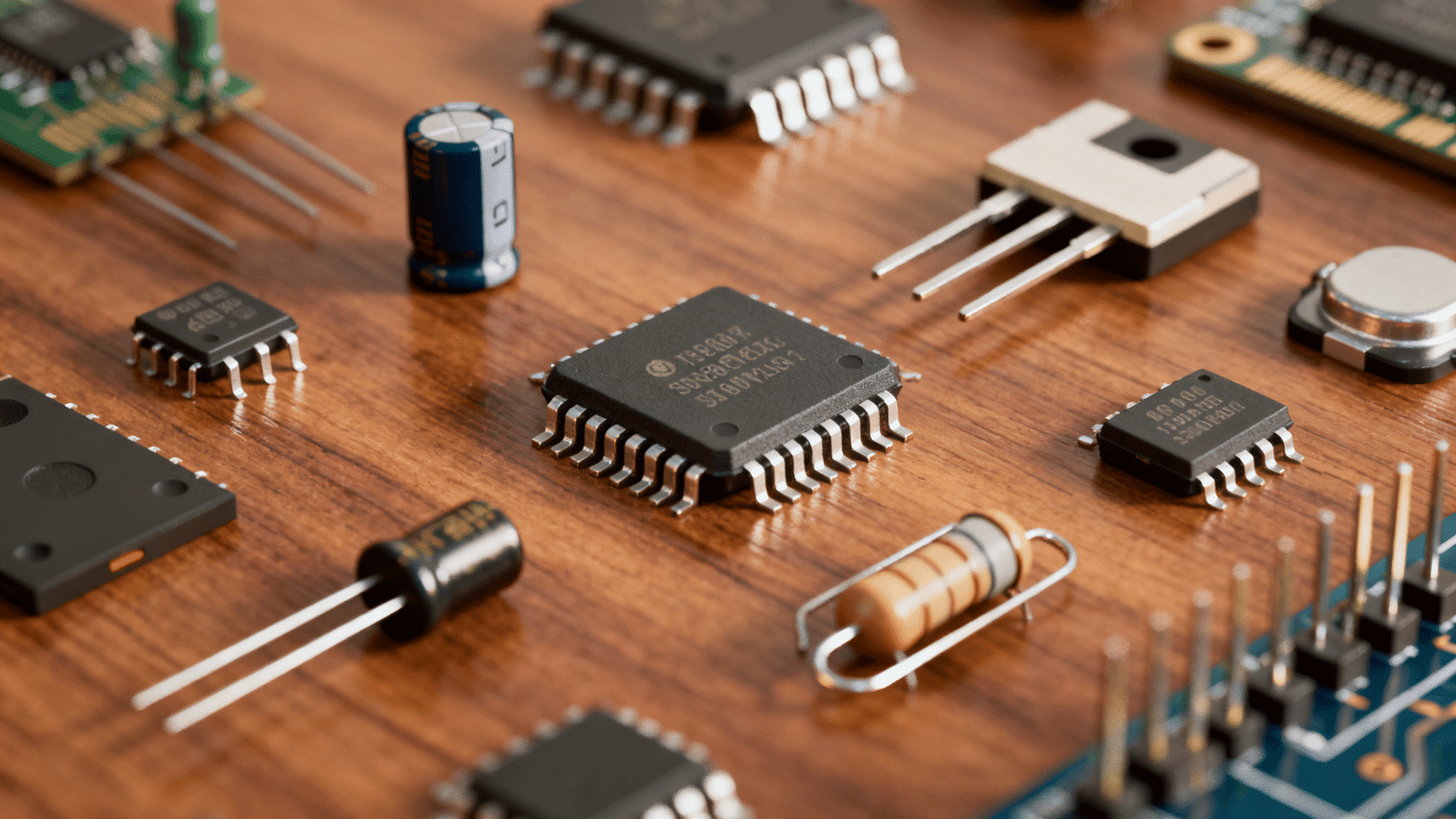





Phones, computers, cars, and home appliances depend on tiny parts that work together every second. Most of this activity happens inside the device, where we cannot see it.
That makes it easy to use technology without thinking about what controls each task.
I find that learning about the materials inside electronics makes common devices much easier to understand.
Semiconductor examples may sound technical at first, but they are closely linked to products we use every day. Knowing these examples can help explain how modern electronic devices work.
Quick Definition: What Is a Semiconductor?
A semiconductor is a material that conducts electricity better than an insulator, such as plastic, but not as freely as a conductor, such as copper.
Its main advantage is control. Heat, light, voltage, or small amounts of added elements can change how easily current moves through it. This process allows semiconductor devices to switch signals, store data, detect light, and regulate power.
Silicon is the most common semiconductor material because it is widely available, stable, and suitable for chip manufacturing.
Types of Semiconductors
Semiconductors are classified by their purity and composition, which affect how they conduct electricity and determine where they can be used in specific electronic devices.
- Intrinsic Semiconductors: These are pure materials with no intentional impurities added. Silicon and germanium conduct only a small amount of current in this state.
- Extrinsic Semiconductors: These are made by doping a pure semiconductor with controlled impurities. N-type material has extra electrons, while P-type material has more holes that carry charge.
- Compound Semiconductors: These contain two or more elements. Gallium arsenide is used in radio frequency chips and lasers, while gallium nitride is used in LEDs and power electronics.
Examples of Semiconductor Devices
Semiconductor devices are electronic components created using semiconductor materials. They use the properties of semiconductors to control, convert, and process electrical signals.
1. Diodes

A diode is a semiconductor device that allows electrical current to flow mainly in one direction. It helps control electricity and protects circuits from excessive current flow.
Diodes are commonly used in power supplies, voltage regulation systems, signal processing equipment, and electronic circuits.
Light-emitting diodes, also called LEDs, are a type of diode that converts electrical energy into light, making them useful in displays, lighting, and indicators.
2. Transistors
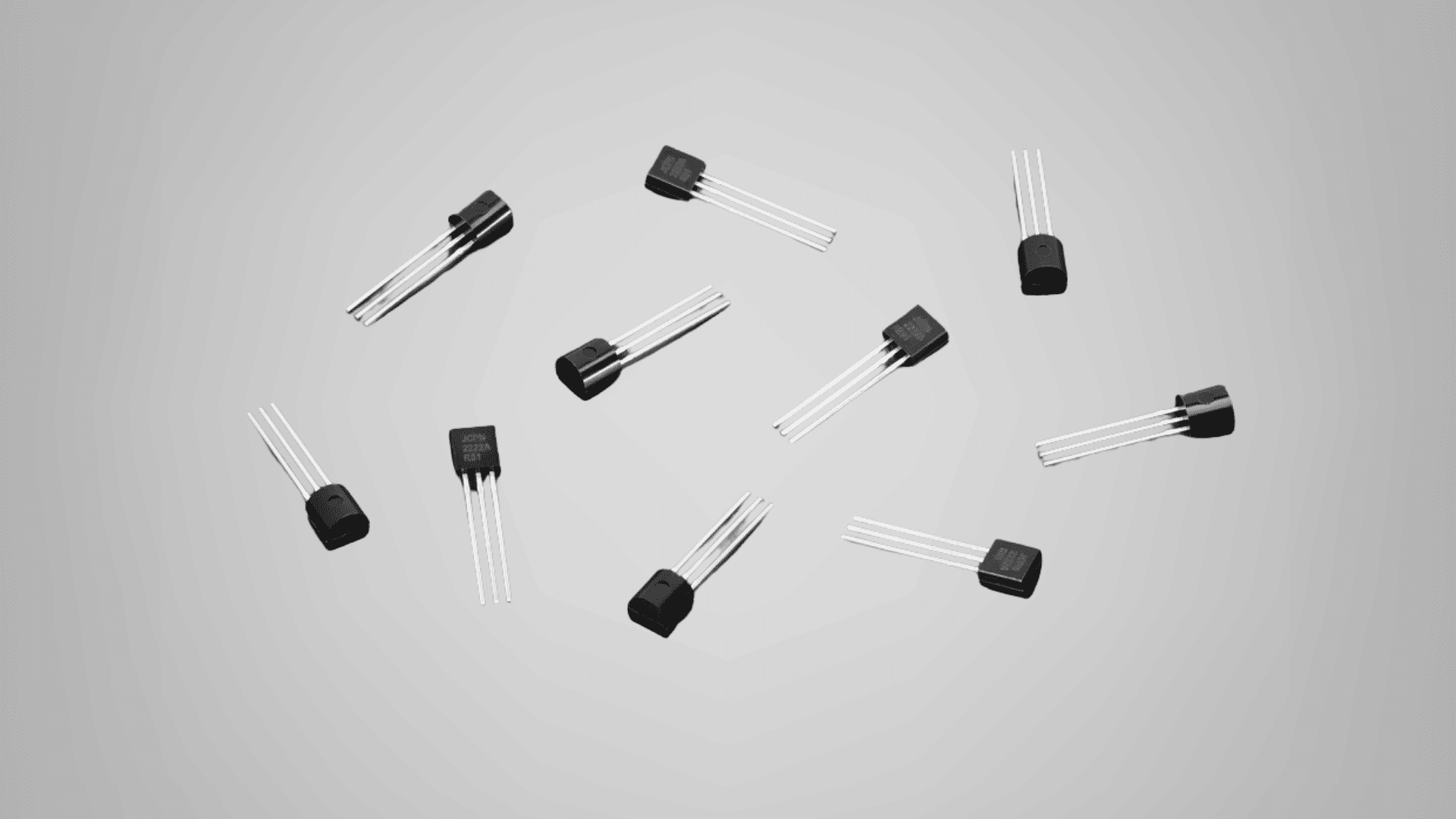
Transistors are semiconductor devices that work as electronic switches or signal amplifiers. They control electrical signals by turning current flow on or off, allowing devices to process and store information.
Modern processors contain billions of tiny transistors that perform calculations and manage data.
They are necessary components in smartphones, computers, gaming devices, artificial intelligence systems, and many other digital technologies that require fast, efficient electronic operations.
3. Integrated Circuits (ICs)
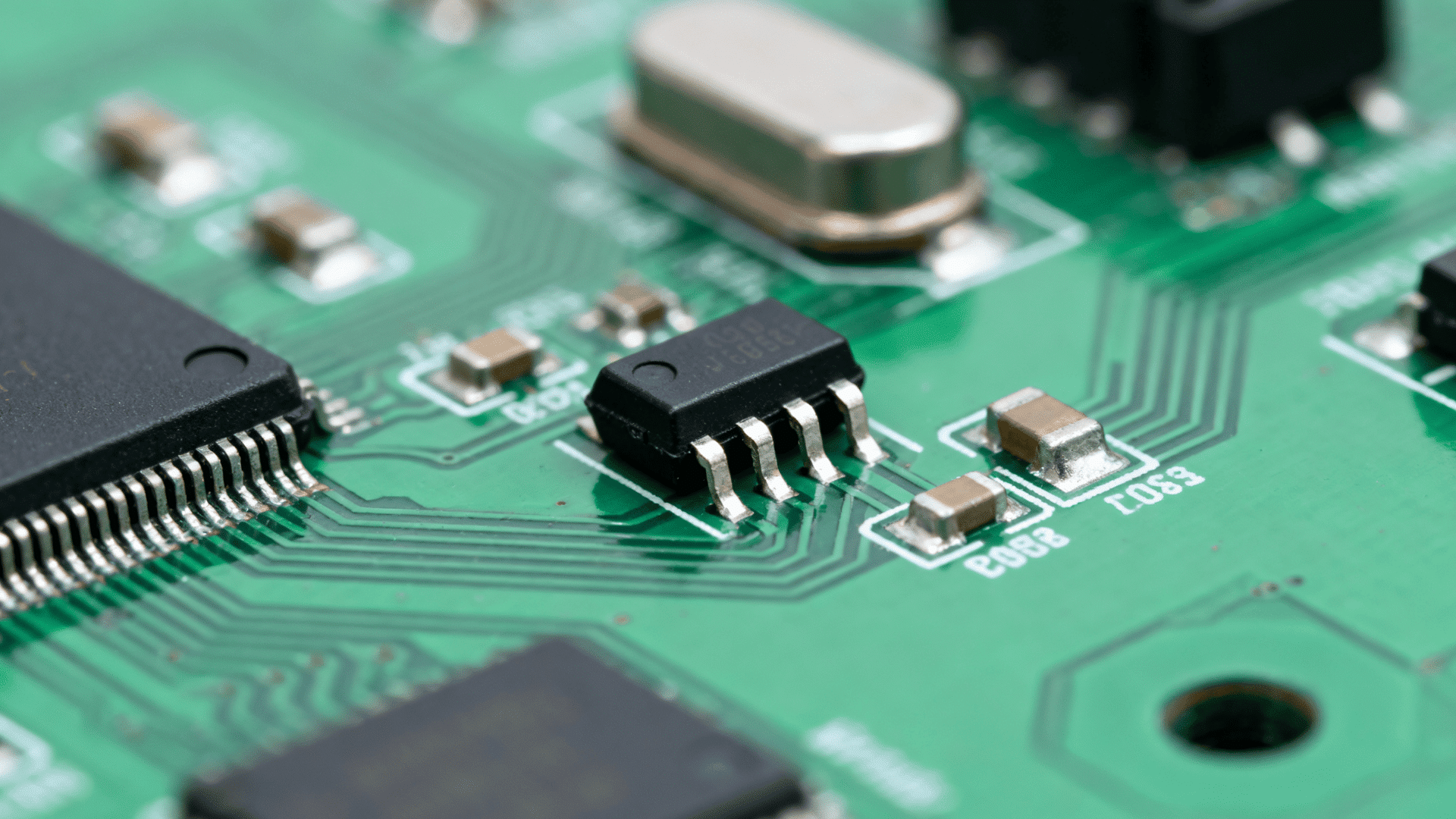
Integrated circuits are compact semiconductor chips that combine multiple electronic components into a single unit. They may contain millions or billions of transistors, along with other components, to perform complex functions.
ICs help manufacturers create smaller and more powerful electronic devices.
They are widely used in computers, smartphones, medical equipment, vehicles, and household electronics.
The processor and memory numbers listed on any laptop’s spec sheet are really just a summary of how much its integrated circuits can handle.
4. Solar Cells
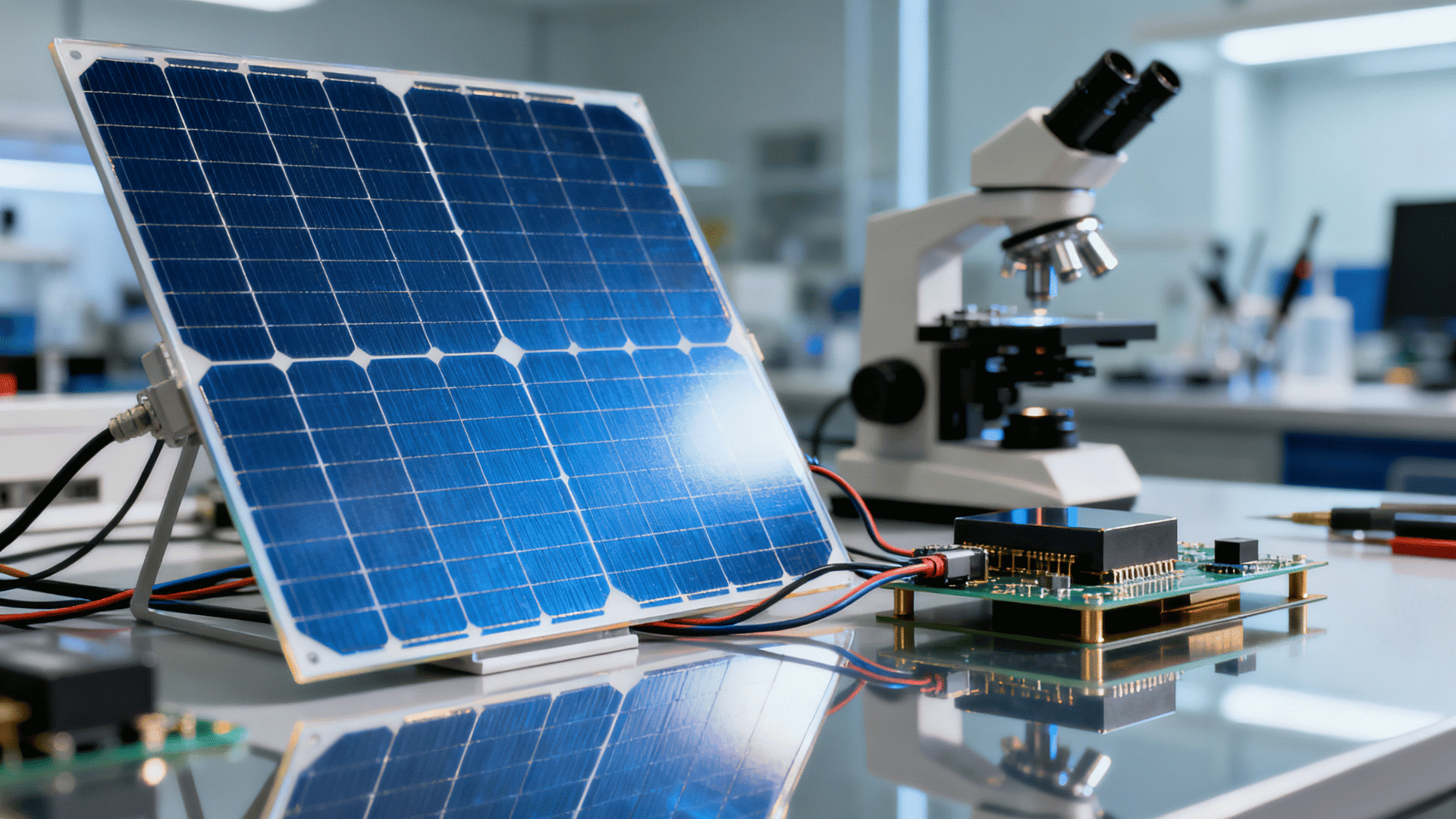
Solar cells are semiconductor devices that convert sunlight into electrical energy through the movement of charge carriers.
They use semiconductor materials, especially silicon, to absorb light and generate electricity.
Multiple solar cells are connected together to form solar panels used in homes, businesses, and renewable energy systems.
Their ability to produce clean electricity makes semiconductor-based solar technology an important part of modern energy solutions and sustainability efforts.
5. Light Emitting Diodes (LEDs)
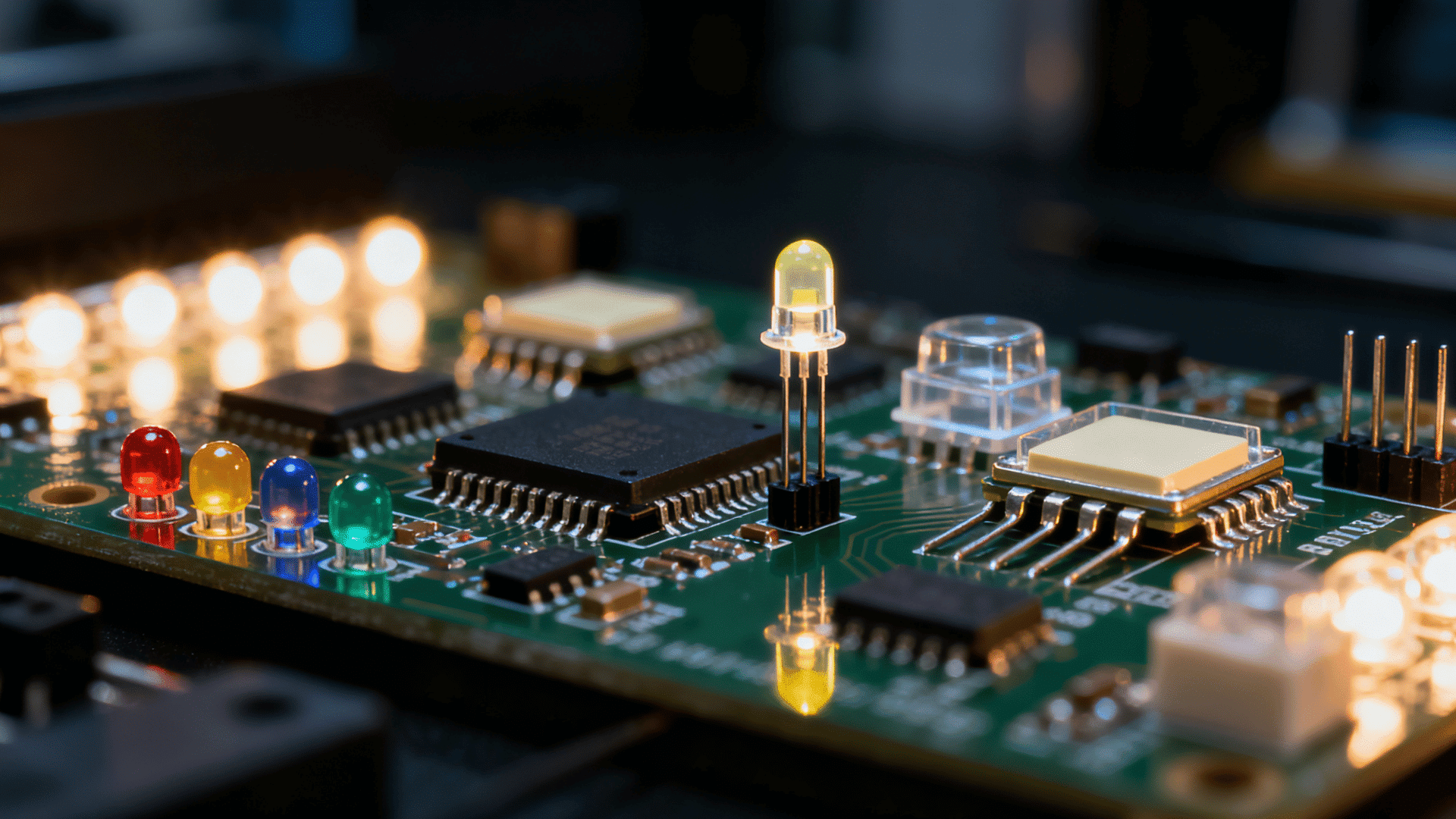
Light-emitting diodes, commonly known as LEDs, are semiconductor devices that produce light when electrical current passes through them.
They use materials such as gallium nitride and gallium arsenide to create different colors and improve performance.
LEDs consume less energy and last longer than traditional lighting options.
6. Photodiodes
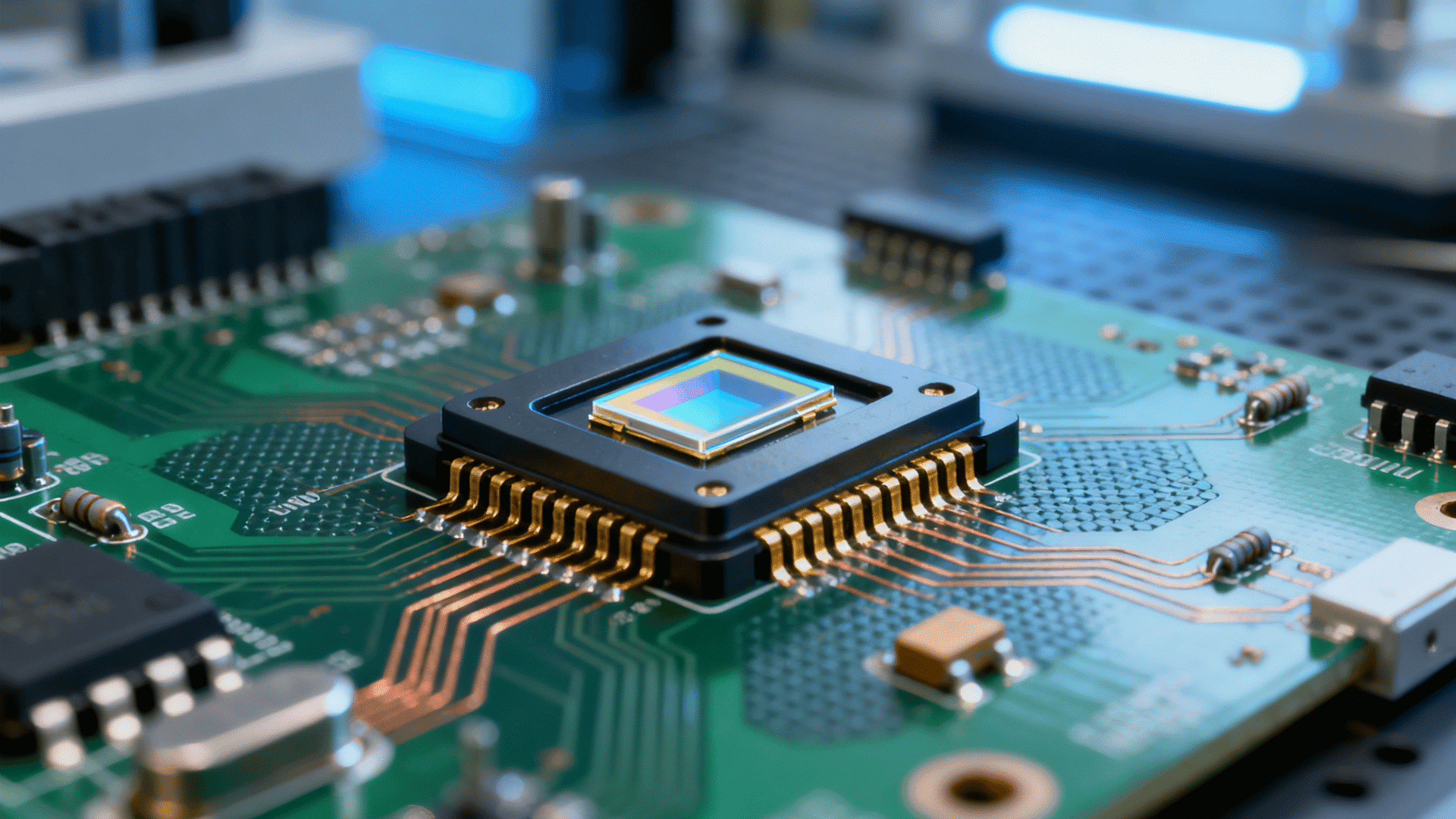
Photodiodes are semiconductor devices that convert light energy into electrical signals.
They work by detecting changes in light intensity and generating current based on the amount of light received.
These devices are commonly used in cameras, optical communication systems, barcode scanners, and medical equipment.
Their ability to respond quickly to light makes them useful for applications that require accurate sensing and fast signal processing in electronic systems.
7. Semiconductor Sensors
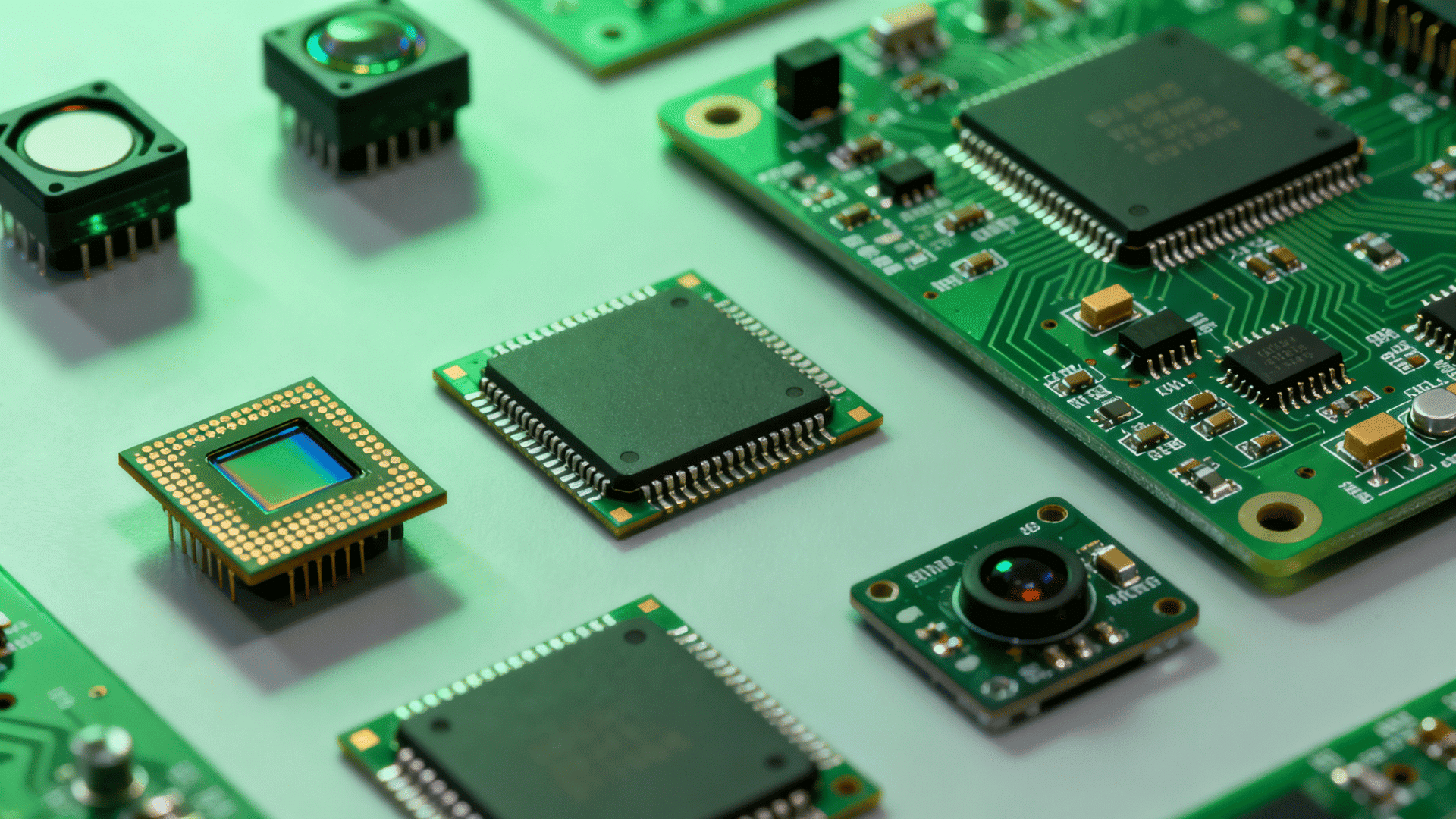
Semiconductor sensors use semiconductor materials to detect changes in environmental conditions such as temperature, pressure, motion, or chemicals.
These sensors convert physical changes into electrical signals that electronic systems can process.
They are commonly used in smartphones, automobiles, healthcare devices, industrial equipment, and smart home technology.
Their small size and accuracy make semiconductor sensors useful for monitoring and automation across many modern applications.
How Do Semiconductors Work?
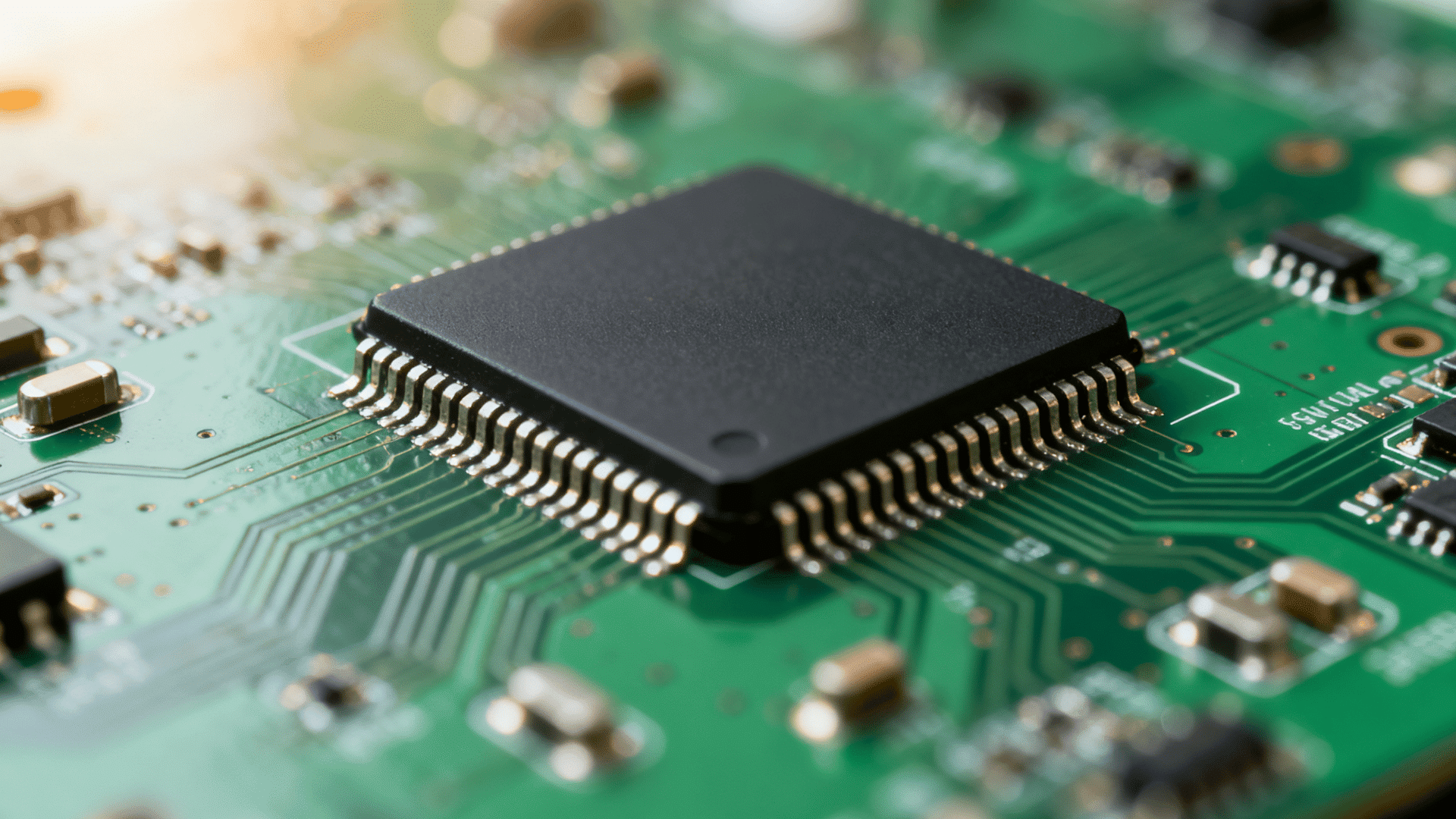
These are the steps that explain how semiconductors control electrical flow and become the foundation of modern electronic devices.
- Movement of Charge Carriers: Semiconductors control the movement of charge carriers, including electrons and holes, inside a material. These movements help regulate electrical current.
- Starting with Pure Material: A pure semiconductor, known as an intrinsic semiconductor, has limited conductivity because it contains fewer free charge carriers.
- Improving Conductivity: Manufacturers use doping by adding specific elements to change electrical properties and improve the performance of semiconductor materials.
- Creating Semiconductor Types: Adding elements with extra electrons creates n-type semiconductors, while elements that create more holes produce p-type semiconductors.
- Forming Semiconductor Junctions: Combining p-type and n-type materials creates junctions that control electricity and support devices like diodes, transistors, and integrated circuits.
Common Types of Semiconductor Materials
These semiconductor materials have unique properties that support different technologies based on performance and practical electronic application requirements today.
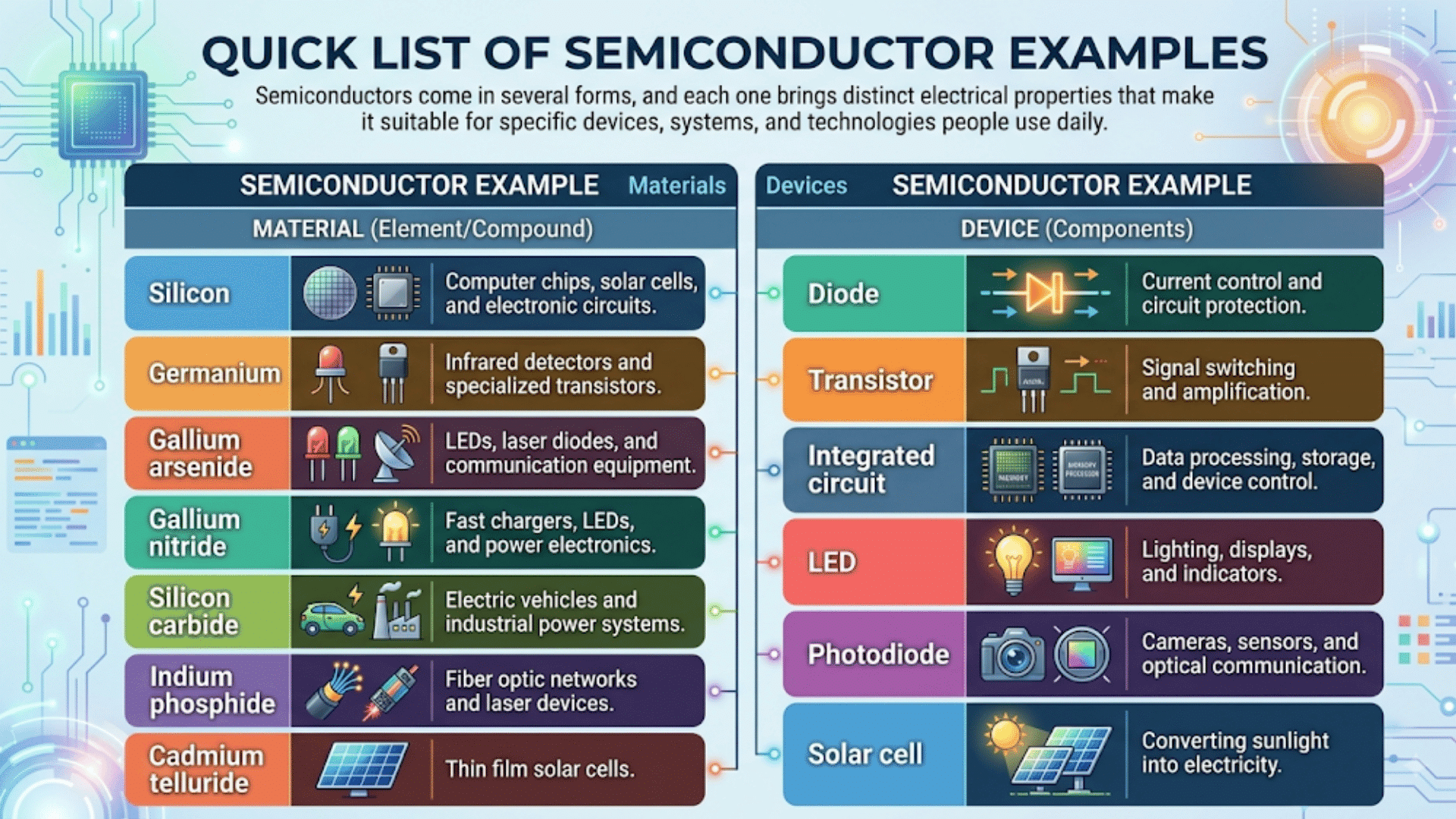
- Silicon: Silicon is widely used for reliable performance, low cost, and availability in electronics manufacturing. It supports processors, chips, circuits, and solar cells.
- Germanium: Germanium offers higher conductivity than silicon and is used in fiber optics and specialized devices requiring specific performance needs.
- Gallium Arsenide: Gallium arsenide provides fast signal movement and supports communication, lasers, and LED technologies with high-frequency capabilities.
- Gallium Nitride: Gallium nitride handles high power and temperatures systematically and is used in chargers, LEDs, and power electronics.
- Silicon Carbide: Silicon carbide withstands extreme conditions and supports electric vehicles, energy systems, and industrial applications requiring durability.
- Indium Phosphide: Indium phosphide allows fast data transmission and is valuable for fiber optics, lasers, and specialized communication systems.
- Cadmium Telluride: Cadmium telluride is used in thin-film solar cells and helps create renewable energy solutions through cost-effective photovoltaic technology for large systems.
- Organic Semiconductors: Carbon-based compounds used in flexible displays and some experimental solar cells, though they conduct less efficiently than silicon-based materials
Semiconductors vs. Conductors vs. Insulators
The clearest way to understand a semiconductor is to see it next to the two materials it sits between.
| Property | Conductor | Semiconductor | Insulator |
|---|---|---|---|
| Example material | Copper | Silicon | Rubber |
| Electrical conductivity | High | Adjustable | Very low |
| Effect of rising temperature | Conductivity drops slightly | Conductivity increases | Stays resistant |
| Common role | Wiring, transmission | Switching, signal control | Protection, isolation |
Conclusion
I believe semiconductors represent one of the most influential technologies behind modern progress. From the devices I use every day to high-performance systems across industries, semiconductor materials help make electronic progress possible.
Understanding semiconductor examples provides a clearer view of how materials like silicon and gallium nitride contribute to powerful applications.
Share your thoughts in the comments and let me know what semiconductor applications interest you the most today.
Frequently Asked Questions
Why are Semiconductors Called the Brains of Electronics?
Semiconductors are called the brains of electronics because they process signals, control operations, and help devices to perform intelligent functions.
Are Semiconductors Renewable or Non-renewable?
Semiconductors are not energy sources. They are manufactured materials made from elements like silicon and used in electronic devices.
Which Country Produces the Most Semiconductors?
Taiwan is one of the largest semiconductor producers globally, especially known for advanced chip manufacturing and semiconductor fabrication services.