




I’ve spent many years working in cloud computing and mobile technologies, and one thing I’ve learned is that choosing the right tools can make or break an app.
In this blog, I’ll walk you through everything you need to know about Android app development solutions in a simple and clear way.
We’ll start with what these solutions are and why they matter for building strong, high-performing apps. Then, I’ll explain the different types, from official tools to cross-platform frameworks and cloud platforms.
You’ll also see a list of leading companies, their strengths, and what they offer.
By the end, I’ll help you understand key features to look for and how to pick the right solution for your needs. Even if you’re a beginner or planning a serious project, this guide will make things much easier.
What are Android App Development Solutions?
Android app development solutions are the tools, platforms, and frameworks used to build apps for Android devices. These solutions help developers design, code, test, and publish mobile applications.
They include official tools such as Android Studio, the Android SDK, and the Google Play Console. Together, they provide everything needed to build secure, high-performance apps.
These solutions also include libraries, APIs, and development frameworks that simplify coding and improve app quality.
Developers use them to add features such as user login, payment systems, maps, and push notifications. Many solutions follow Google’s standards to ensure apps run smoothly across different Android devices.
In simple terms, Android app development solutions provide the full setup required to turn an app idea into a working product available on the Google Play Store.
Types of Android App Development Solutions
Android app development solutions include tools, frameworks, and services for building and managing Android apps. Each type supports different project needs, from coding to full business deployment.
| Type | Description | Best For |
|---|---|---|
| Official Android Development Tools | Google-provided tools such as Android Studio and the Android SDK are used for native app development. | Developers building secure, high-performance native apps |
| Cross-Platform Frameworks | Frameworks like Flutter and React Native that use a single codebase across multiple platforms. | Startups and businesses wanting a faster multi-platform launch |
| Backend and Cloud Platforms | Services like Firebase that provide databases, authentication, and analytics. | Apps needing scalable backend support |
| Android App Development Companies | Firms offering custom design, development, testing, and maintenance services. | Businesses seeking tailored, end-to-end app solutions |
Leading Android App Development Solutions
Android app development relies on a mix of powerful tools, platforms, and expert services. The following solutions help build, test, launch, and scale apps efficiently across devices and industries.
1. Fueled
Fueled is a New York–based Android app development company known for its strong design-first approach. The team focuses on creating clean, user-friendly interfaces backed by solid engineering.
It has worked with major brands like Viacom, helping them launch high-quality mobile products. Fueled combines product strategy, UX design, and technical development to build apps that perform well in competitive markets.
Businesses that want polished, brand-driven Android apps often choose Fueled for its creative direction and structured development process.
Pros and Cons of Fueled
| Pros | Cons |
|---|---|
| Strong visual design standards | Premium pricing targets enterprise budgets |
| Experience with well-known brands | Limited focus outside high-end projects |
| Structured product planning process | Detailed sprints extend timelines |
| Balanced design and engineering teams | Prioritizes quality over speed |
Services Provided
- Android app prototyping and concept validation
- UI/UX research with wireframing support
- Backend system architecture setup
- Performance optimization and testing
- Post-launch monitoring and scaling support
2. OpenXcell
OpenXcell is an Android app development company that focuses on healthcare and fintech solutions. The company builds secure, scalable mobile applications that handle sensitive data and meet regulatory requirements.
It offers services from UI design to backend integration and ongoing support. OpenXcell is known for leveraging modern Android technologies to build stable, efficient apps.
Businesses in finance and healthcare often rely on its expertise for building compliant, high-performance Android applications.
Pros and Cons of OpenXcell
| Pros | Cons |
|---|---|
| Healthcare and fintech expertise | Communication delays due to time zones |
| Cost-effective pricing | Inconsistent delivery timelines |
| Flexible engagement models | Billing lacks transparency |
| Responsive project management | Quality varies by assigned team |
Services Provided
- Custom Android app design and native development
- UI/UX research, wireframing, and prototyping
- Backend integration and API development
- QA testing, performance optimization, and security compliance
- Post-launch support, maintenance, and app scaling
3. Intellectsoft
Intellectsoft provides enterprise-level Android app development services with strong expertise in Kotlin and AI-based solutions.
The company works with mid-sized and large organizations that require advanced features and secure infrastructure. It builds custom Android applications that integrate with enterprise systems and cloud platforms.
Intellectsoft also supports digital transformation projects by combining mobile development with emerging technologies.
Businesses seeking scalable, future-ready Android apps often turn to Intellectsoft for its structured, strategic approach.
Pros and Cons of Intellectsoft
| Pros | Cons |
|---|---|
| Strong enterprise and Fortune 500 experience | Higher minimum project cost ($50,000+) |
| Deep Kotlin and AI integration expertise | Scope changes can be costly and difficult to accommodate |
| Structured IS360 delivery framework | The project estimation phase can be lengthy |
| Trusted across fintech, healthcare, and construction | Limited transparency in some review coverage |
Services Provided
- Custom Android mobile, tablet, TV, and wearable app development
- UI/UX design and prototyping
- AI and IoT integration for enterprise apps
- Cloud platform integration and backend architecture
- Post-launch support and digital transformation consulting
4. TechAhead
TechAhead is known for building scalable enterprise Android apps for global businesses and growing startups. The company focuses on performance, security, and long-term maintainability.
It provides full-cycle development services, including strategy, UI design, coding, testing, and post-launch support. TechAhead emphasizes clean architecture and strong backend integration to ensure apps can handle growth.
Companies that need reliable Android solutions for large user bases often choose TechAhead for its structured development process.
Pros and Cons of TechAhead
| Pros | Cons |
|---|---|
| 15+ years of experience with Fortune 500 brands | Team shuffling can disrupt project continuity |
| Consistent on-time and on-budget delivery | Some inconsistencies in project management reported |
| Strong AI, IoT, and cloud integration capability | Rarely pushes back on unrealistic client milestones |
| Proactive communication and responsive support | Higher budgets needed for complex enterprise projects |
Services Provided
- Native and cross-platform Android app development
- UI/UX design and prototyping
- AI, IoT, and cloud platform integration
- QA testing and performance optimization
- Post-launch maintenance and ongoing support
5. Appinventiv
Appinventiv is a well-known Android app development company recognized by Clutch as a top-ranked innovator. The company serves startups, enterprises, and government organizations with end-to-end mobile app solutions.
It focuses on product strategy, design, development, and scaling. Appinventiv also integrates advanced technologies like AI, blockchain, and cloud services into Android apps.
Businesses looking for a structured team with experience across industries often consider Appinventiv for delivering secure and scalable mobile applications.
Pros and Cons of Appinventiv
| Pros | Cons |
|---|---|
| Experience with global brands like KFC and IKEA | Code quality inconsistent across projects |
| Strong AI, blockchain, and cloud integration | Billing disputes and scope change issues were reported |
| Clutch Spring 2025 award winner | Feedback implementation and attention to detail are lacking |
| Responsive communication and dedicated project | Quality can vary significantly depending on the assigned |
Services Provided
- Custom Android app design and development
- UI/UX design, wireframing, and prototyping
- AI, blockchain, and cloud platform integration
- QA testing, security auditing, and compliance
- Post-launch maintenance and app scaling support
6. Cynoteck
Cynoteck is an Android app development company known for its Microsoft and Salesforce certifications. It builds custom mobile solutions that connect smoothly with enterprise systems and CRM platforms.
The company supports businesses in healthcare, retail, education, and finance. Cynoteck offers full-cycle services, including consulting, UI design, development, testing, and maintenance.
Its certified expertise helps organizations integrate Android apps with cloud platforms and business tools.
Companies that need reliable system integration often choose Cynoteck for structured and compliant mobile development services.
Pros and Cons of Cynoteck
| Pros | Cons |
|---|---|
| Microsoft & Salesforce certified partner | Fewer native mobile projects |
| Strong CRM and enterprise integration | Limited training support outside the US |
| Budget-friendly with a roughly 90%+ satisfaction rate | Team size limits very large projects |
| Responsive communication and on-time delivery | Timelines shift with new requirements |
Services Provided
- Android and iOS app development
- UI/UX design and consulting
- CRM and ERP integration
- QA testing and compatibility testing
- Post-launch support and maintenance
7. Zco Corporation
Zco Corporation has over 30 years of experience in software and mobile app development, with a strong focus on AR and gaming solutions.
The company builds interactive Android apps that use augmented reality, 3D modeling, and immersive features. It serves startups, enterprises, and established brands across various industries.
Zco provides in-house design, development, and testing services to ensure product quality. Businesses looking for advanced Android gaming or AR-based applications often consider Zco for its long-standing technical experience.
Pros and Cons of Zco Corporation
| Pros | Cons |
|---|---|
| 30+ years of experience with Fortune 500 clients | Timeline changes reported on some projects |
| Strong AR, VR, gaming, and 3D app expertise | Limited formal compliance certifications (ISO/SOC 2) |
| Responsive communication and transparent project management | Less suited for deep product strategy consulting |
| Large in-house team of 300+ developers and designers | Higher minimum project size ($10,000–$25,000) |
Services Provided
- Native Android and iOS app development
- AR, VR, and 3D app development
- Mobile game development
- UI/UX design and QA testing
- Post-launch maintenance and support
8. Konstant Infosolutions
Konstant Infosolutions is an Android app development company that has delivered more than 3,500 projects worldwide. It works with startups, small businesses, and large enterprises across multiple industries.
The company offers custom app development, UI design, and backend integration services. Konstant focuses on scalable solutions that support business growth and user engagement.
With a global client base, it emphasizes structured development processes and transparent communication. Businesses seeking experienced teams with a broad project portfolio often consider Konstant Infosolutions.
Pros and Cons of Konstant Infosolutions
| Pros | Cons |
|---|---|
| 22+ years experience with 2,500+ global clients | Code quality issues reported on some projects |
| Clutch Global Leader for mobile app development 2025 | Management unresponsive in escalated disputes |
| Cost-effective with transparent pricing | Timeline and quality vary by project scale |
| Flexible engagement and strong communication | Limited depth in highly regulated enterprise sectors |
Services Provided
- Native Android and iOS app development
- UI/UX design and prototyping
- Backend integration and cloud development
- QA testing and app deployment
- Post-launch maintenance and support
9. Cheesecake Labs
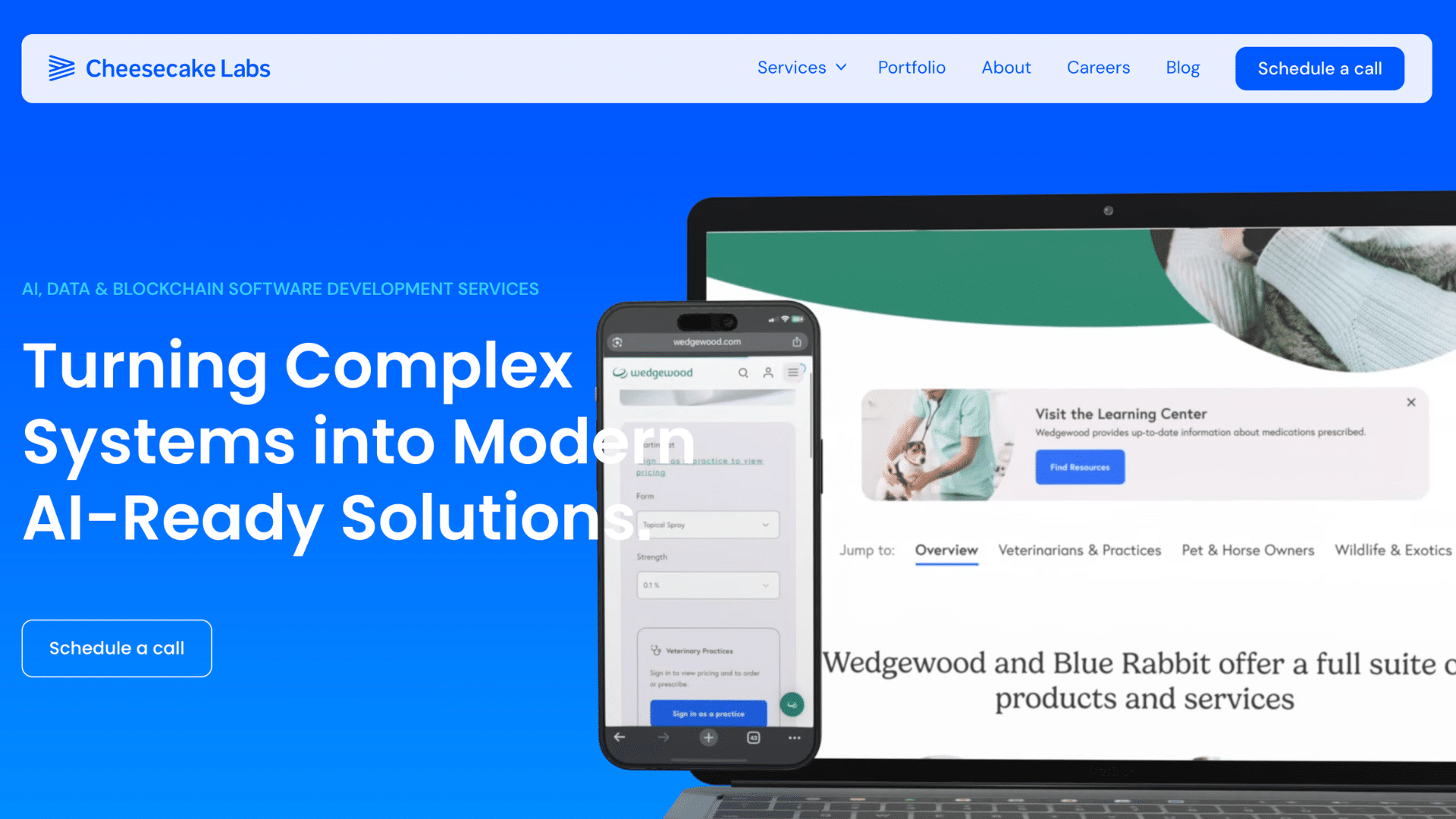
Cheesecake Labs is known for its UX-focused approach and agile development teams. The company builds Android apps that prioritize user experience, clean design, and smooth performance.
It works closely with clients from idea validation to final deployment. Cheesecake Labs supports startups and enterprises that want fast iterations and collaborative development cycles.
Its agile process allows quick testing and feature updates. Businesses that value strong product design and user-centered Android development often partner with Cheesecake Labs.
Pros and Cons of Cheesecake Labs
| Pros | Cons |
|---|---|
| Clutch 7 globally and 1 in Latin America for mobile development | Smaller team size limits very large enterprise projects |
| Strong UX/UI design and agile delivery process | An hourly billing model can raise costs with scope changes |
| Nearshore LATAM team enables real-time US collaboration | Communication improvements noted by some clients |
| Fixes mistakes at no extra charge; high client trust | Portfolio skews more toward startups and mid-market than heavy enterprise |
Services Provided
- Native Android and iOS app development
- UI/UX design and product discovery
- AI, blockchain, IoT, and Web3 integration
- QA testing and performance optimization
- Post-launch support and IT staff augmentation
10. ArcTouch
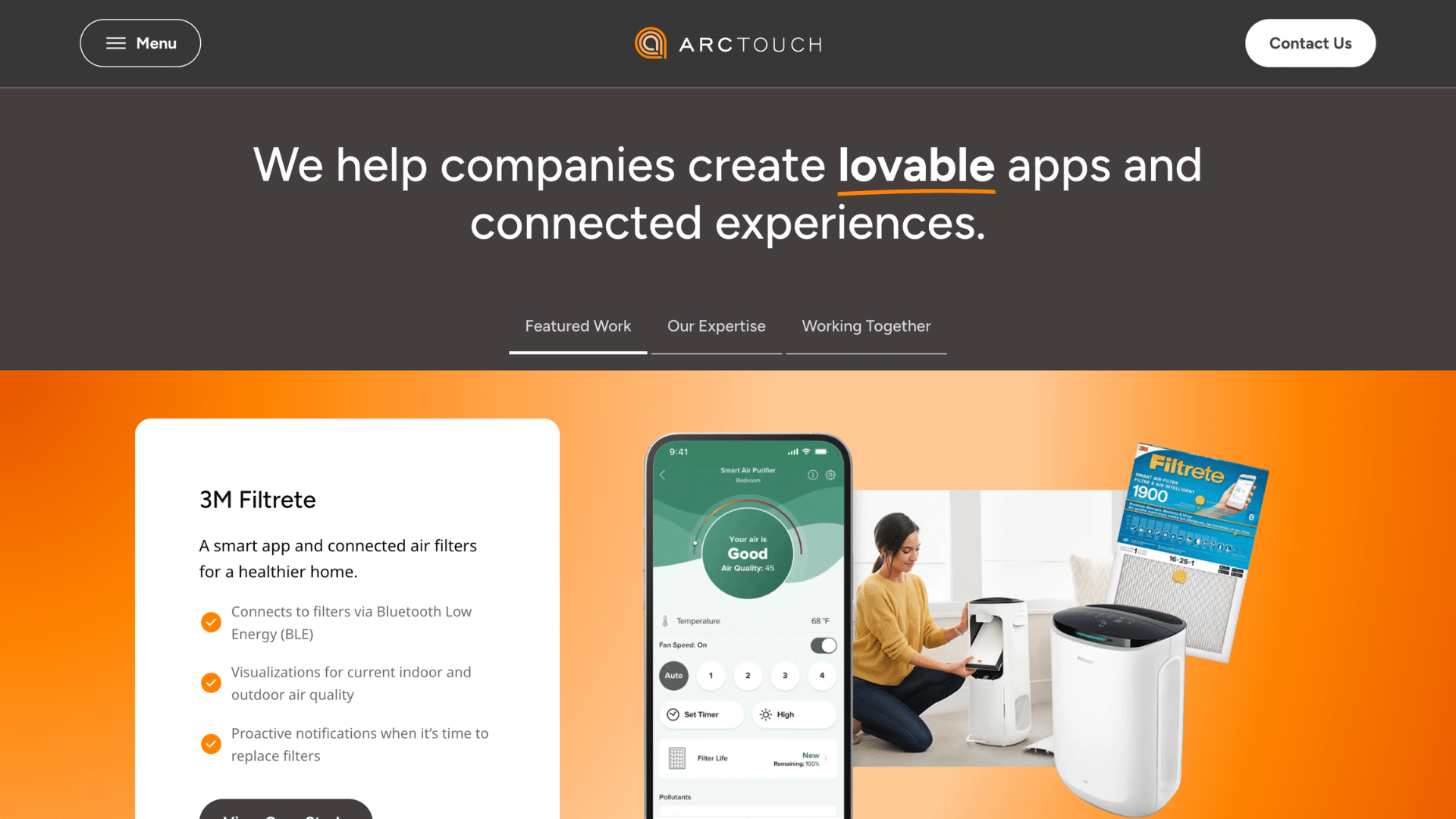
ArcTouch specializes in Android app development with a focus on IoT and blockchain solutions. The company builds connected mobile applications that integrate with smart devices, sensors, and decentralized systems.
It serves industries such as healthcare, retail, and consumer technology. ArcTouch offers product strategy, UX design, development, and long-term support.
Its experience with emerging technologies helps businesses launch secure and innovative Android apps. Organizations looking to combine mobile apps with IoT or blockchain systems often consider ArcTouch.
Pros and Cons of ArcTouch
| Pros | Cons |
|---|---|
| 18+ years experience with Fortune 500 and startups | Premium pricing with $100,000+ minimum project size |
| Strong IoT, AI, AR, and connected device expertise | Staff turnover occasionally causes project delays |
| Nearshore US-Brazil model enables real-time collaboration | Projects can exceed initial budget with scope changes |
| Consistent on-time delivery and proactive communication | Limited presence outside the US and Brazil |
Services Provided
- Native Android and iOS app development
- UI/UX design and product strategy
- IoT, AI, and AR app development
- Backend API and cloud integration
- Post-launch support and lifecycle management
11. Blue Label Labs
Blue Label Labs is an Android app development company known for working with fintech startups and fast-growing businesses.
The team focuses on building secure and scalable mobile apps that support digital payments, financial tools, and customer engagement platforms. It offers product strategy, UI design, development, and growth support.
Blue Label Labs works closely with founders to turn early-stage ideas into market-ready Android applications. Startups in the financial sector often choose this company for its structured process and startup-focused expertise.
Pros and Cons of Blue Label Labs
| Pros | Cons |
|---|---|
| Clutch 2025 Global AI Award winner and Clutch 1000 listed | Bug delivery reported before thorough pre-launch testing |
| Strong startup and founder-focused development process | Scope change communication in agile projects needs improvement |
| Consistent on-time and on-budget delivery | Internal leadership instability noted in employee reviews |
| Creative, collaborative team with deep product strategy skills | Less suited to large enterprise-scale projects |
Services Provided
- Native Android and iOS app development
- Product strategy and design sprints
- UI/UX design and prototyping
- AI and generative AI integration
- Post-launch growth support and maintenance
Key Features to Look For in Android Solutions
Choosing the right Android app development solution requires careful evaluation of its technical strengths and long-term reliability. A strong solution should ensure performance, security, scalability, and easy integration.
- Native Android standards improve overall app performance.
- Strong security features protect user data and privacy.
- Easy scalability supports future growth.
- Smooth API integration connects with third-party services.
- Cloud support helps manage backend operations.
- Regular updates keep the system stable and secure.
- Clean architecture makes maintenance easier.
- Testing tools help detect and fix issues early.
How to Choose the Right Android Solution?
Choosing the right Android solution depends on your project goals, budget, and timeline. Start by defining what you want your app to do and who will use it.
A simple app may only need official tools like Android Studio and Firebase. Larger projects with complex features may require enterprise platforms or experienced development companies.
Next, consider your technical resources. If you have an in-house team, focus on tools that match their skills. If not, hiring a development company might be a better option.
Also, review scalability, security features, and long-term support before making a decision. The right choice should support growth, protect user data, and allow easy updates as your app evolves.
Wrapping Up
Choosing the right Android app development solution can shape the success of your entire project. With so many tools and companies available, it helps to stay clear about your goals, budget, and long-term plans.
Some projects need powerful native tools, while others benefit from experienced development teams. What matters most is choosing an option that aligns with your vision and supports future growth.
I always believe the best results come from informed decisions, not quick ones. Take time to compare features, review expertise, and think about how your app will scale over time.
The right solution should make development smoother, not more complicated.
If you have worked with any of these Android app development solutions or companies, share your experience in the comments below. Your insights could help others make a smarter choice.