

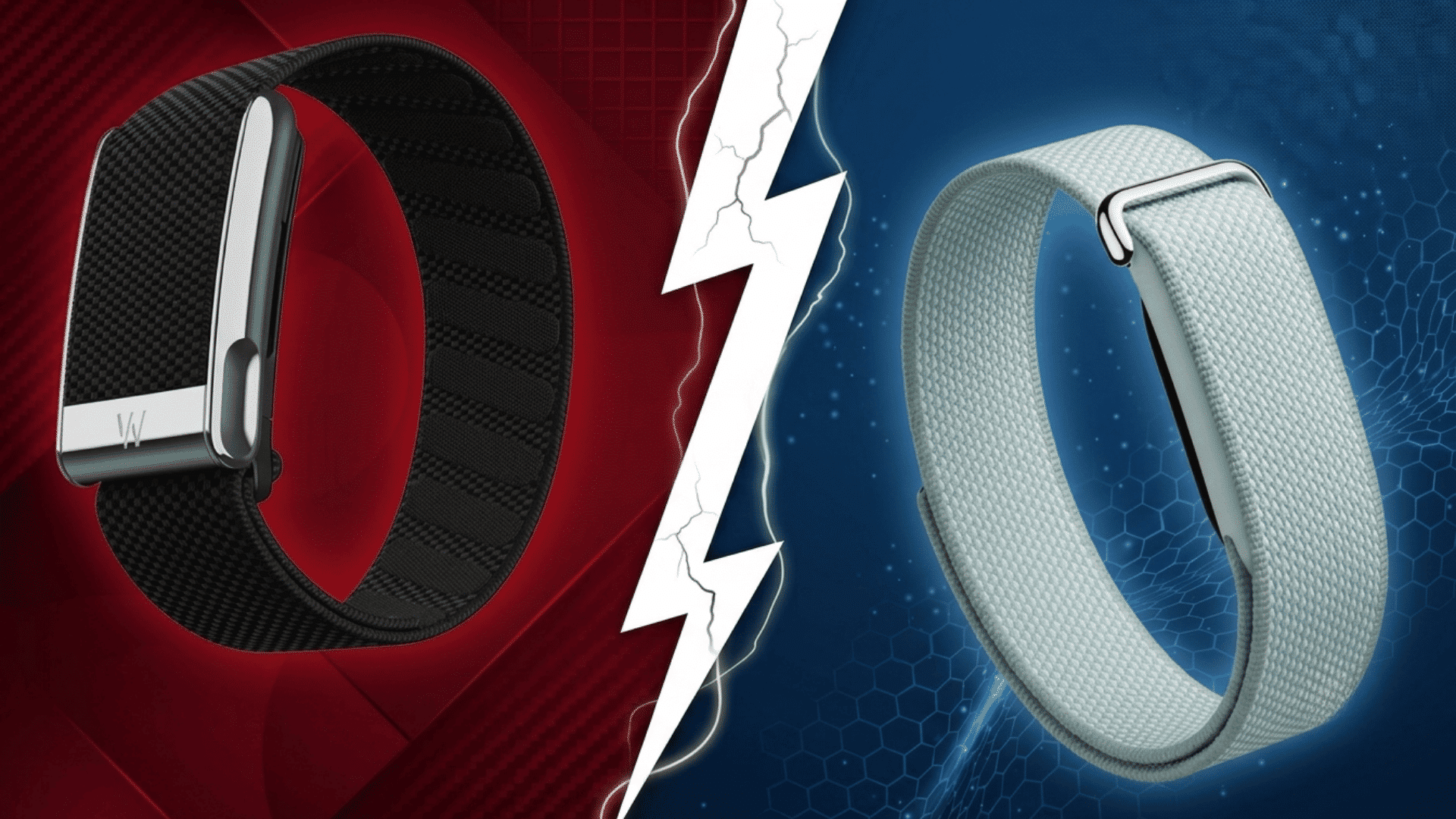




Fitness trackers have become more than devices that count steps and calories. Today, they help users understand sleep patterns, workout performance, recovery levels, and overall health trends.
I have compared WHOOP vs Fitbit to see how these two fitness brands approach wearable technology differently.
WHOOP focuses on recovery, training readiness, and performance insights, while Fitbit combines health tracking with smart wellness features designed for everyday users.
With newer inventions like WHOOP 5.0 and Fitbit Air, both brands continue to improve how people monitor their fitness goals.
By the end of this blog, you’ll know how WHOOP and Fitbit compare in features, performance, pricing, and value.
WHOOP vs Fitbit: Quick Comparison
Compare WHOOP 5.0 and Fitbit Air to understand how both brands differ in tracking, design, insights, and overall fitness experience.
| Feature | WHOOP | Fitbit |
|---|---|---|
| Best For | Athletes and performance-focused users | Everyday fitness and wellness users |
| Main Focus | Recovery, strain, sleep, and training optimization | Health tracking, activity monitoring, and wellness insights |
| Latest Innovation | WHOOP 5.0 with advanced recovery and personalized insights | Fitbit Air with AI-powered health guidance |
| Design Approach | Screen-free wearable focused on continuous tracking | Lightweight wearable focused on simple health monitoring |
| Sleep Tracking | Recovery-based sleep analysis | Sleep scores and health trend tracking |
| Workout Tracking | Training strain and performance analysis | Exercise tracking and fitness recommendations |
| Battery Experience | Multi-day battery with on-body charging | Multi-day battery with convenient charging |
| Subscription Model | Required for complete insights | Optional premium subscription |
WHOOP vs Fitbit Feature Comparison
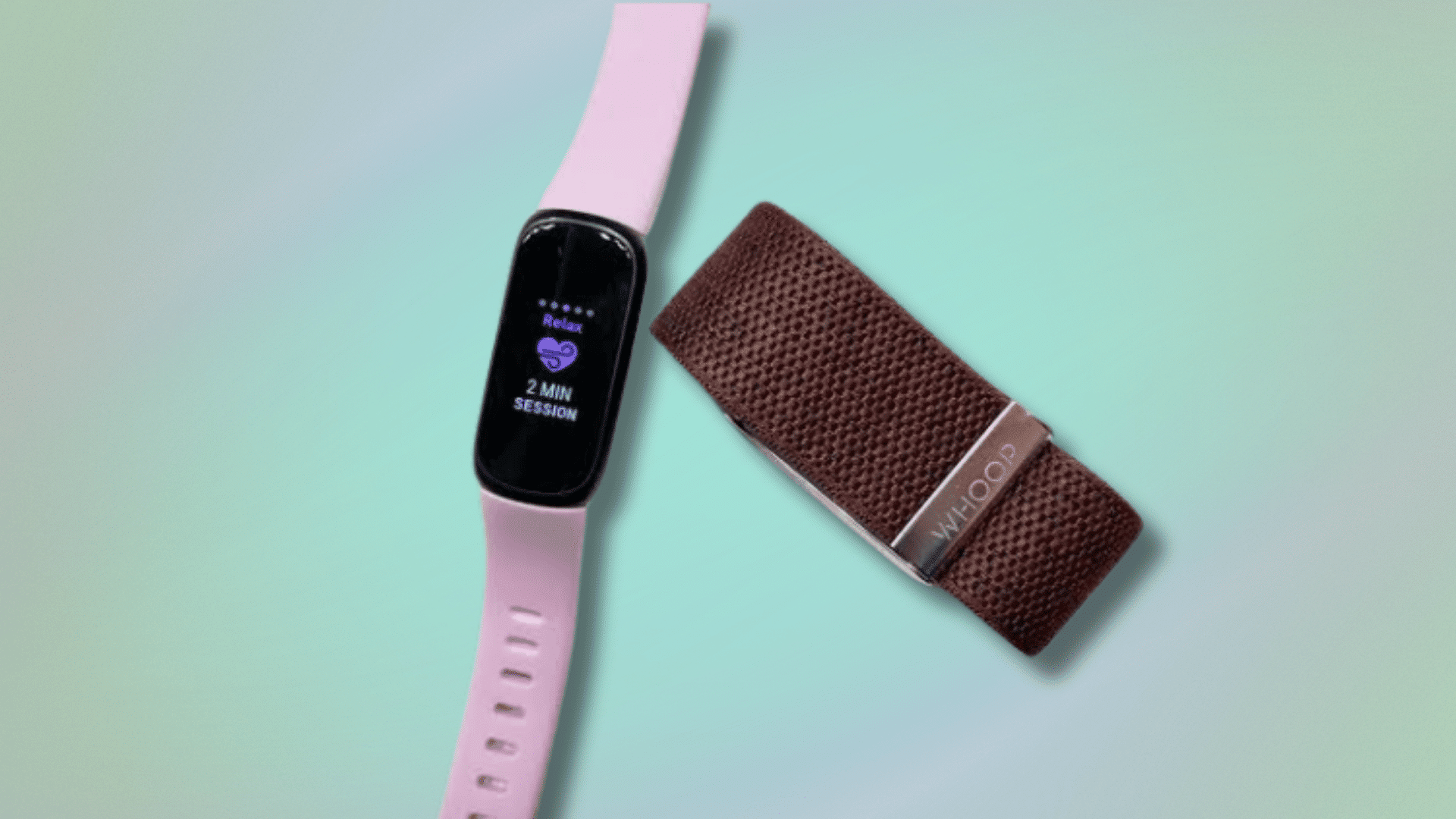
WHOOP and Fitbit offer different approaches to health tracking, comparing recovery, workouts, design, battery, and AI insights.
1. Health and Fitness Tracking
WHOOP 5.0 tracks fitness through metrics such as Strain, Recovery, Sleep Performance, and daily health monitoring.
It uses continuous heart rate data to calculate how workouts affect the body.
Fitbit Air focuses on broader wellness tracking with features like 24/7 heart rate monitoring, SpO₂ tracking, skin temperature sensing, sleep analysis, and AI-based health guidance.
WHOOP is built around performance optimization, while Fitbit Air provides essential health measurements for everyday users.
2. Sleep Tracking
WHOOP 5.0 analyzes sleep using Sleep Performance, Sleep Need, Sleep Consistency, and recovery scores to recommend training readiness.
Its system connects sleep duration and quality with workout strain. Fitbit Air tracks sleep through sleep stages, nightly sleep scores, heart rate patterns, and wellness insights.
It also provides AI-generated recommendations through Google Health Coach.
WHOOP offers deeper, athlete-focused sleep analysis, while Fitbit Air delivers simpler sleep monitoring to improve daily habits.
3. Workout Tracking
WHOOP 5.0 measures workouts through Strain scores, heart rate zones, recovery status, and training load analysis to help users manage performance.
It is designed for athletes who need detailed feedback after intense sessions.
Fitbit Air supports workout tracking with activity monitoring, heart rate tracking, movement sensors, and guided fitness recommendations.
WHOOP focuses on optimizing training intensity and recovery, while Fitbit Air provides straightforward exercise tracking for users building consistent fitness routines.
4. Design and Comfort
WHOOP 5.0 uses a screen-free fabric band design with options such as wrist straps, bicep bands, and Whoop Body apparel integration.
It weighs around 28 grams, making it suitable for continuous wear during training and sleep.
Fitbit Air also uses a screen-free design with a lightweight build of around 12 grams and a slim profile. Its smaller size is designed for comfortable 24/7 wellness tracking.
5. Accuracy Comparison
WHOOP 5.0 uses continuous biometric tracking to analyze heart rate trends, recovery, strain, sleep patterns, and training responses rather than focusing only on activity counts.
Fitbit Air includes sensors for heart rate monitoring, SpO₂ measurement, skin temperature tracking, and sleep insights.
WHOOP converts physiological data into performance recommendations, while Fitbit Air emphasizes accessible health monitoring.
The better choice depends on whether users need advanced training analysis or everyday wellness measurements.
6. Battery Life and Charging
WHOOP 5.0 provides up to 14 days of battery life and supports charging through its wearable PowerPack, allowing users to charge without removing the device.
This helps maintain uninterrupted sleep and recovery tracking.
Fitbit Air offers up to 7 days of battery life and supports fast charging, where a short charging session can provide a full day of use.
WHOOP prioritizes continuous tracking, while Fitbit Air focuses on convenient daily charging.
7. App Experience and AI Insights
WHOOP 5.0’s app centers on Recovery, Strain, Sleep Coach, and personalized training recommendations based on collected biometric data.
It helps users understand when to push harder or prioritize rest.
Fitbit Air integrates with Google Health Coach and uses AI-powered recommendations to simplify health information from activity, sleep, and heart rate data.
WHOOP provides detailed performance analytics for athletes, while Fitbit Air offers easier-to-understand guidance for general wellness users.
WHOOP vs Fitbit Pricing and Value
WHOOP 5.0 and Fitbit Air follow different pricing models, helping users compare cost, features, and long-term wearable value.
| Pricing Factor | WHOOP 5.0 | Fitbit Air |
|---|---|---|
| Device Cost | Included with WHOOP membership plans starting around $199 per year | Expected to start around $199 |
| Subscription | Required membership starting around $239 annually for complete insights | Optional Fitbit Premium at about $9.99/month or $79.99/year |
| Pricing Approach | Subscription-based ecosystem focused on advanced analytics | Device purchase model with optional premium features |
| Best Value For | Athletes needing recovery, strain, and performance insights | Users wanting affordable health and wellness tracking |
| Premium Features | Recovery scores, training insights, and personalized coaching | AI-powered guidance, wellness reports, and health insights |
| Long-Term Cost | Higher ongoing expense due to continuous membership requirement | More flexible cost depending on premium feature usage |
WHOOP 5.0 vs Fitbit Air Pros and Cons
Compare the strengths and limitations of WHOOP 5.0 and Fitbit Air to understand which wearable better matches your fitness goals.
Pros:
- WHOOP 5.0 offers advanced recovery tracking and personalized coaching with detailed strain, readiness, and sleep data for performance-focused users.
- Fitbit Air provides AI-powered wellness guidance with simple health tracking features for users focused on everyday fitness improvement.
- Both wearables feature screen-free designs, allowing users to focus on continuous health monitoring without traditional smartwatch distractions.
Cons:
- WHOOP 5.0 requires a subscription, which may not suit users who prefer a one-time device purchase.
- Fitbit Air may not provide the deeper recovery analysis and training metrics needed by serious athletes.
- Both devices may feel limited for users seeking smartwatch features like apps, notifications, and on-device controls.
Is WHOOP Better than Fitbit?
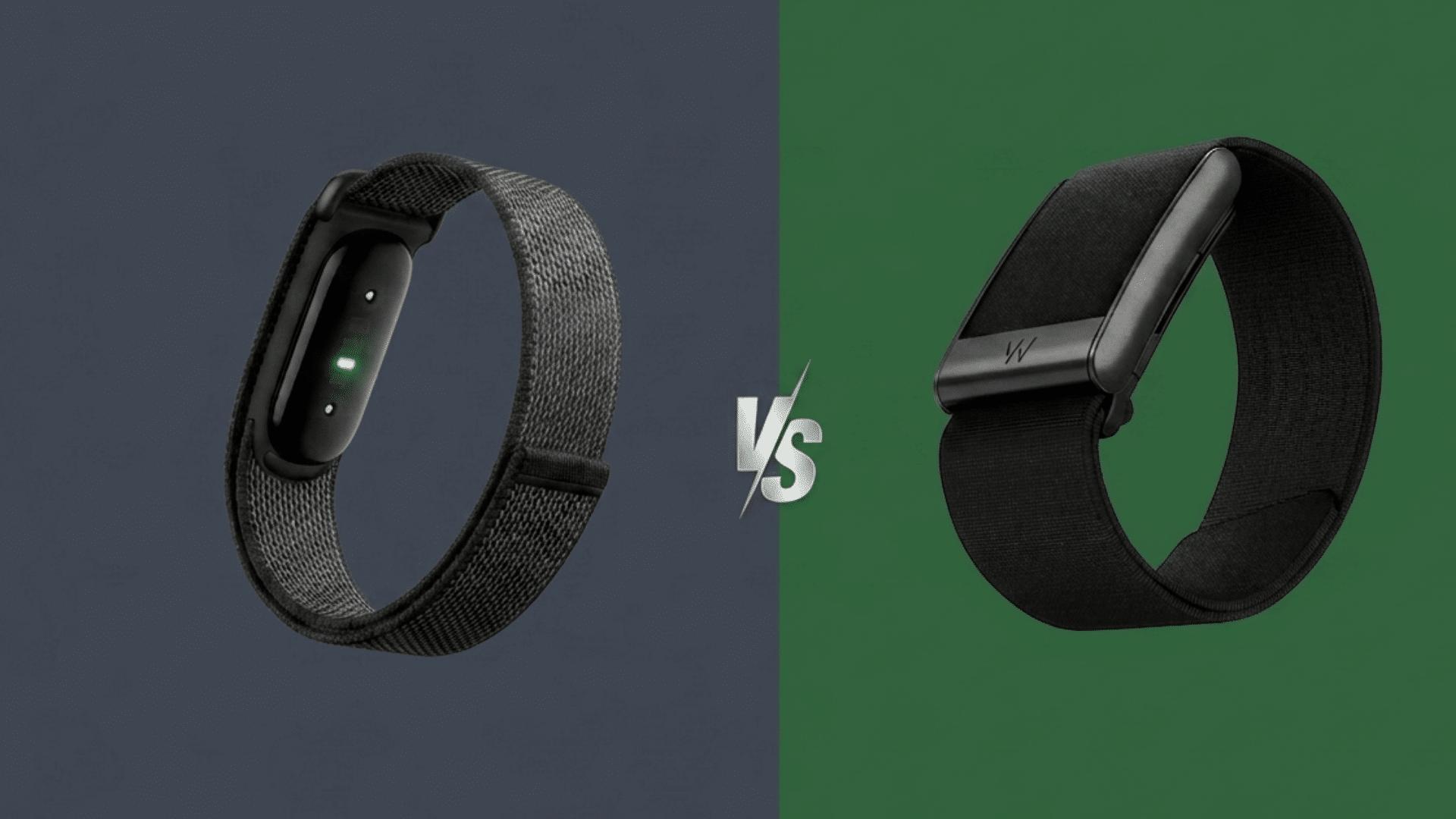
WHOOP is better for athletes who want detailed recovery, strain, and training data. Fitbit is better for everyday users who want step, activity, sleep, and heart rate tracking without a required subscription.
WHOOP shows when to train harder or rest based on recovery and workout strain. It also supports different wear locations, including the wrist and bicep.
Fitbit costs less over time, feels simple for daily use, and provides useful health data without a paid plan.
Choose WHOOP for serious training and recovery coaching. Choose Fitbit for affordable everyday health and fitness tracking that includes on-wrist stats and smart features.
Conclusion
Choosing between WHOOP and Fitbit depends on the type of fitness experience you want from your wearable.
I believe WHOOP is a better fit for users who prioritize recovery, training insights, and performance improvement through detailed data analysis.
Fitbit offers balanced health tracking, AI recommendations, and everyday wellness features through products like Fitbit Air.
Both brands continue to improve how people understand their health and fitness patterns.
Before choosing, consider your goals, budget, and the features you will actually use. Share your experience in the comments and tell us which fitness tracker better supports your lifestyle.
Frequently Asked Questions
Does WHOOP 5.0 Track Steps?
Yes, WHOOP 5.0 tracks steps along with recovery, strain, sleep, and workout data through its updated health monitoring features.
Can You Use Fitbit Air without a Phone?
Fitbit Air can collect health data independently, but some features and syncing require a connection with the Fitbit app on a smartphone.
Does WHOOP 5.0 Measure Blood Pressure?
No, WHOOP 5.0 does not measure blood pressure. It focuses on recovery, heart rate, sleep, strain, and fitness metrics.
Is There a Fitbit Equivalent to Whoop?
Fitbit Charge 6 is a close alternative, offering heart rate, sleep, stress, activity, and recovery-focused health tracking.
What Fitness Tracker Is Better than Whoop?
Garmin can be better for athletes who want detailed training metrics, GPS, recovery insights, and smartwatch features.
What Is a Cheaper Alternative to Whoop?
Fitbit Charge 6 is a cheaper option with sleep, heart rate, stress, exercise, and daily health tracking at a lower cost.