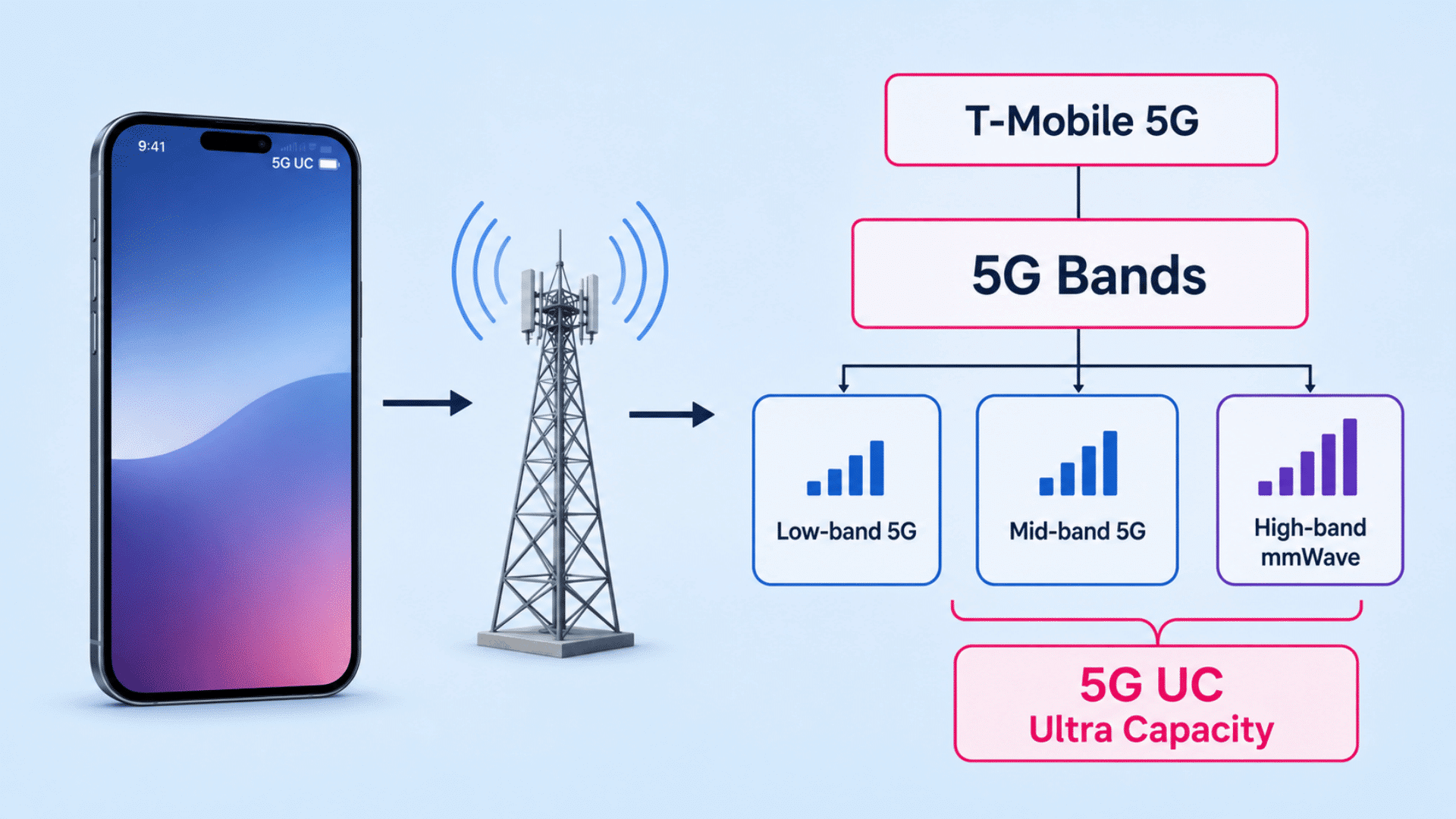

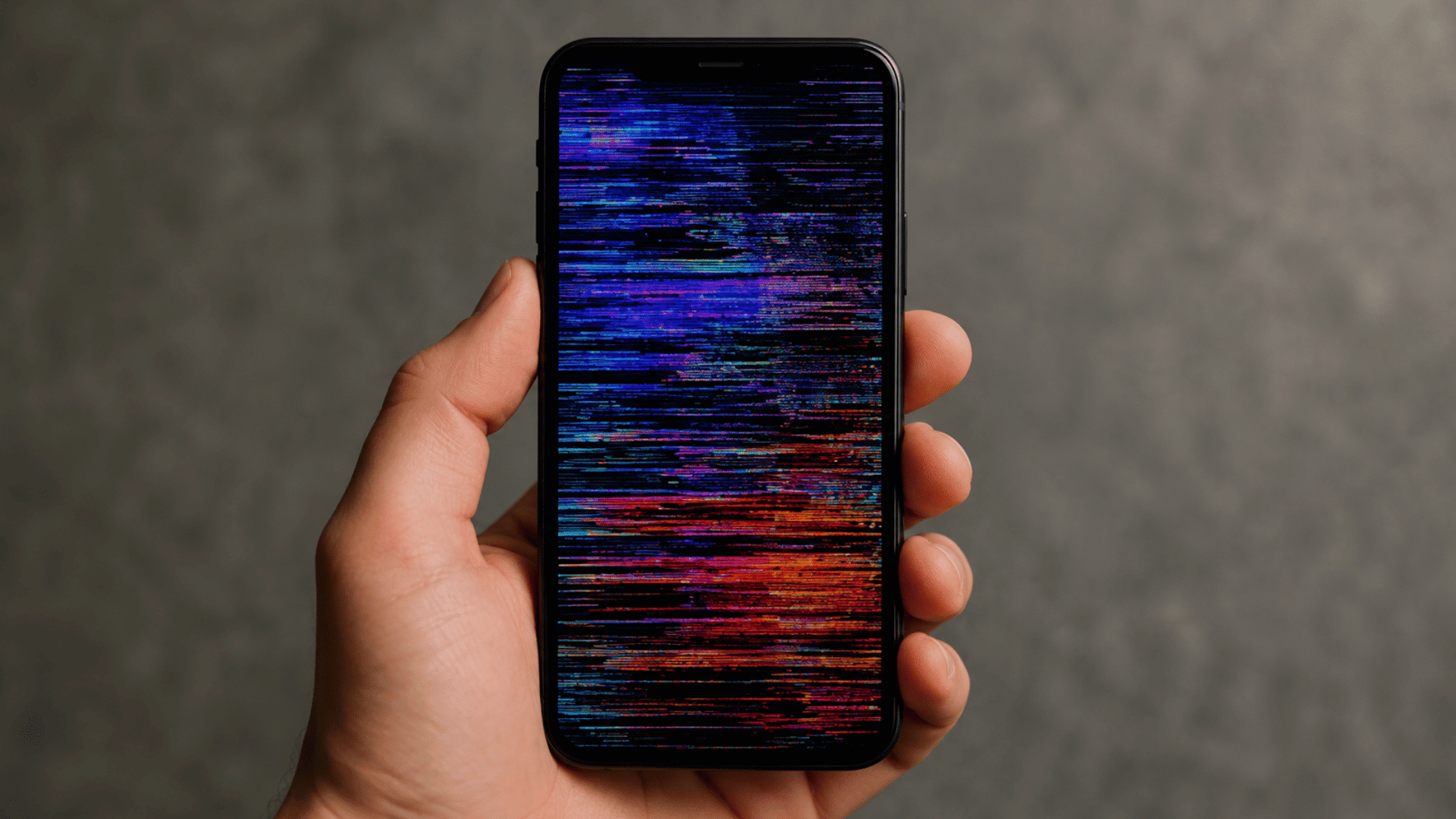



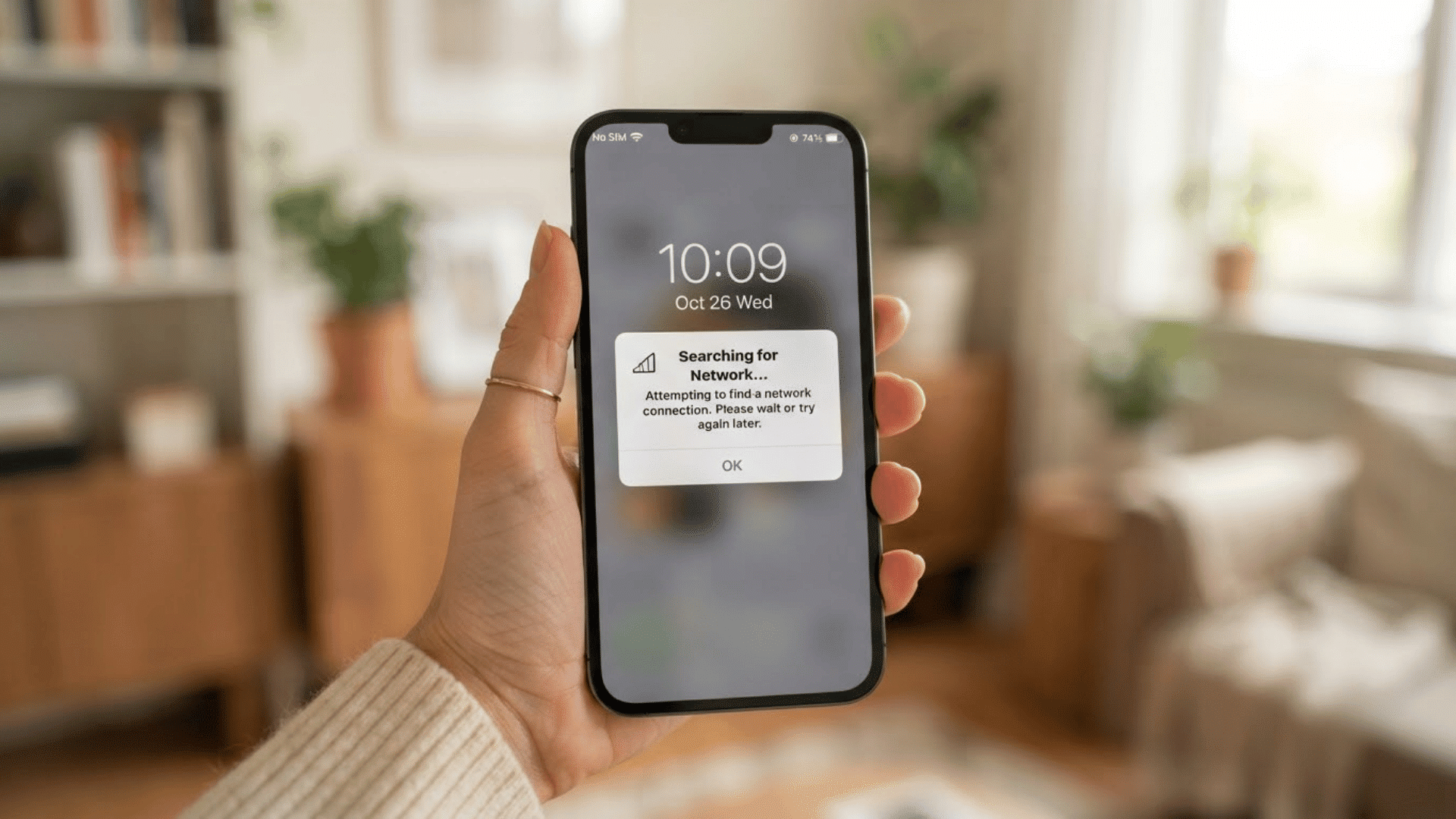
Few things are more frustrating than picking up your phone and finding that it keeps freezing, flickering, lagging, or showing strange lines on the screen.
Sometimes the problem starts after a small drop, while other times it seems to happen for no clear reason.
When a phone starts freezing, lagging, or becoming unresponsive, it’s natural to wonder what’s causing the problem
I’ve seen how these issues can make simple tasks feel difficult, whether you’re sending messages, browsing online, or using your favorite apps.
The good news is that many phone glitches have clear causes and practical solutions.
In this guide, you’ll learn what may be causing your phone to act up, how to fix common problems, how to fix lines on a phone screen, and when it may be time to seek professional repair.
Quick Answer: Why Is My Phone Glitching So Much?
Phone glitches often result from software bugs, hardware damage, low storage, overheating, faulty apps, display issues, or network-related problems.
When your phone starts freezing, flickering, lagging, or becoming unresponsive, the problem can come from several sources.
An outdated operating system, too many background apps, or limited storage space may slow your device down.
Physical damage from a drop, water exposure, or a failing screen can also trigger persistent glitches.
Even network issues can sometimes make apps appear slow or unresponsive. Identifying the root cause is the first step toward finding the right fix and restoring normal performance.
What Is a Phone Glitch?
A phone glitch is a temporary or recurring malfunction that causes a smartphone to behave unexpectedly.
It can affect performance, display functions, touch responsiveness, apps, or overall device stability.
Phone glitches may appear in different ways, including screen flickering, freezing, lagging, app crashes, ghost touches, or random restarts.
These issues often occur when software and hardware components fail to communicate properly.
In many cases, glitches are caused by software bugs, outdated operating systems, insufficient storage, or problematic apps.
However, physical damage, water exposure, overheating, and worn-out hardware can also trigger abnormal behavior.
While a single glitch is not usually a cause for concern, repeated problems may indicate an underlying issue that needs troubleshooting.
Identifying the type of glitch can help you determine whether a simple fix or professional repair is needed.
Why Is My Phone Glitching so Much?
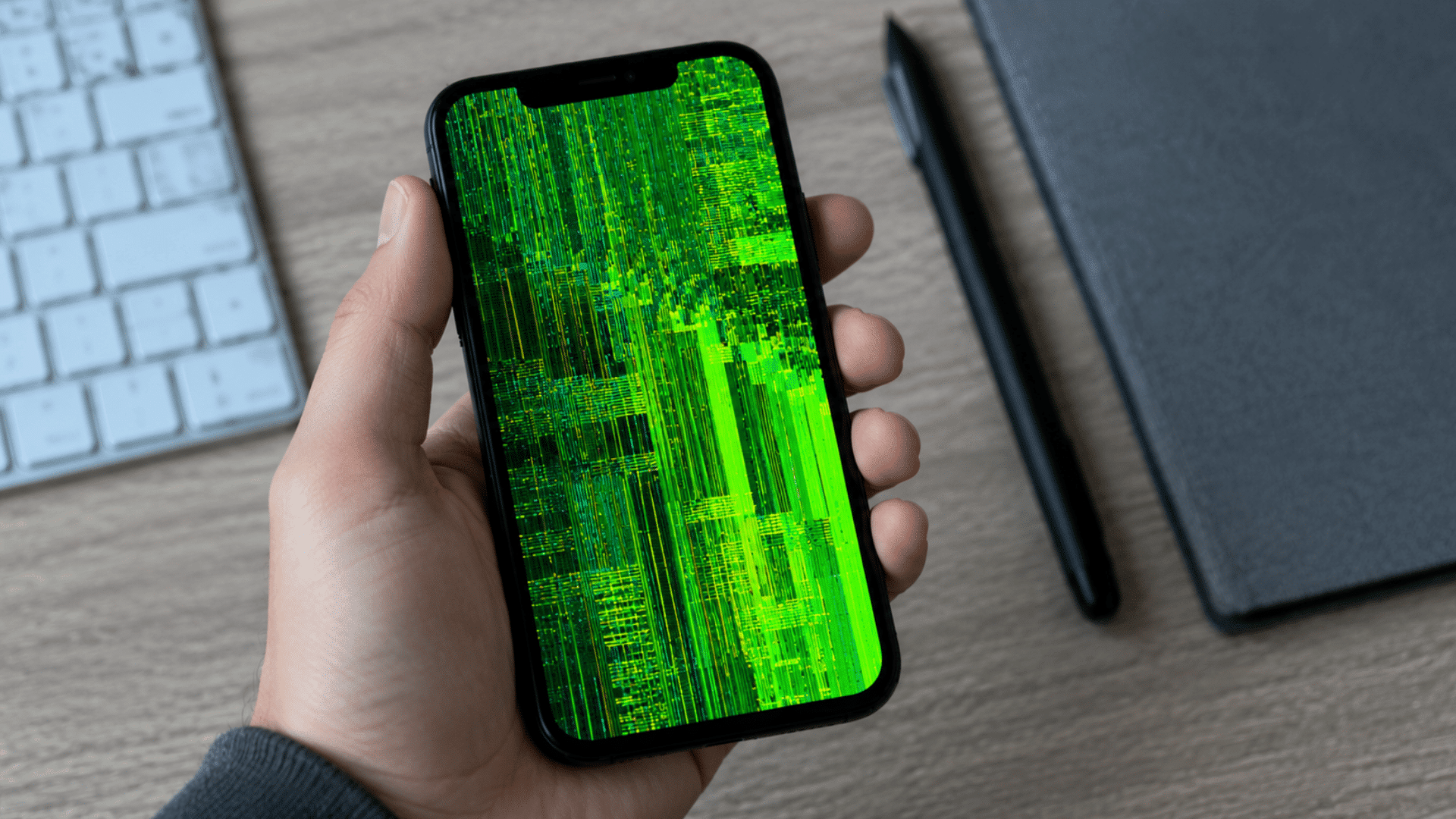
Phone glitches can happen for many reasons, ranging from simple software issues to more serious hardware problems.
1. Outdated Operating System
An outdated operating system is one of the most common reasons phones start glitching.
Software updates often include bug fixes, security patches, and performance improvements that help devices run smoothly.
When a phone continues using an older version of Android or iOS, compatibility issues may develop between the system and installed apps.
This can lead to lagging, freezing, crashes, and other unexpected behavior. Regular updates help maintain stability and improve overall device performance.
2. Insufficient Storage Space
When your phone’s storage is nearly full, it may struggle to perform basic tasks efficiently.
Smartphones need free space to store temporary files, app data, and system processes.
Without enough available storage, apps can become slow to load, the device may freeze, and multitasking performance can decline.
Photos, videos, downloaded files, and unused apps often consume valuable space. Clearing unnecessary data can significantly improve responsiveness and reduce frequent glitches.
3. Too Many Apps Running in the Background
Many apps continue running even when you are not actively using them. These background processes consume RAM, processing power, and battery life.
As more resources become occupied, the phone may become sluggish or unresponsive. Older devices are particularly vulnerable because they typically have less memory available.
Closing unused apps and limiting background activity can reduce strain on the device and help restore smoother performance throughout the day.
4. Corrupted or Buggy Applications
Not all apps are perfectly optimized. Some contain coding errors, while others may become corrupted during installation or updates.
A problematic app can cause frequent crashes, screen freezes, battery drain, and system instability.
In some situations, one faulty application can affect the performance of the entire device.
If glitches begin shortly after installing or updating an app, removing or reinstalling it may help resolve the problem and restore normal functionality.
5. Overheating and Thermal Throttling
Excessive heat can interfere with your phone’s ability to function properly.
Modern smartphones automatically reduce performance when temperatures rise too high, a process known as thermal throttling.
This protective feature helps prevent hardware damage but can also cause lag, delayed touch responses, and slower app performance.
Overheating often occurs during gaming, prolonged video streaming, charging, or exposure to direct sunlight. Keeping your device cool can help minimize performance-related glitches.
6. Malware or Security Threats
Although smartphone security has improved significantly, malware can still cause performance issues.
Malicious apps may run hidden processes that consume system resources, display unwanted advertisements, or interfere with normal operations.
In severe cases, malware can cause crashes, battery drain, and unusual device behavior.
Downloading apps only from trusted sources and regularly scanning for threats can help protect your device and maintain stable performance.
7. Aging Battery Performance
As phone batteries age, they gradually lose their ability to deliver power efficiently.
A degraded battery may struggle to power demanding tasks, leading to slowdowns, random restarts, and performance fluctuations.
Battery-related issues are especially common in older devices that have gone through hundreds of charging cycles.
If your phone frequently shuts down unexpectedly or becomes sluggish despite having available storage, battery health may be contributing to the problem.
8. Physical Damage After a Drop
Even a minor drop can damage internal components without leaving visible marks on the outside of the phone.
Internal display connectors may loosen, touch sensors can become affected, and delicate circuits may sustain damage.
These issues often lead to screen flickering, unresponsive touch controls, display lines, or random glitches.
If your phone started malfunctioning shortly after being dropped, hardware damage should be considered as a possible cause.
9. Water or Moisture Exposure
Water damage does not always cause immediate problems. Moisture can gradually corrode internal components and interfere with electrical connections over time.
As corrosion spreads, users may notice screen flickering, charging issues, touchscreen problems, or random device behavior.
Even small amounts of moisture can affect sensitive hardware. If your phone has recently been exposed to water, hidden internal damage may be responsible for ongoing glitches.
10. Display Hardware Failure
Persistent screen glitches are sometimes linked to failing display hardware.
Problems with the LCD, OLED panel, display connectors, or graphics components can result in flickering, discoloration, dead pixels, and visible screen lines.
Unlike software-related issues, display hardware failures often continue even after restarting the device or performing updates.
When troubleshooting steps do not resolve visual problems, professional inspection or screen replacement may be necessary.
Common Signs Your Phone Is Glitching
Phone glitches can show up in different ways, depending on whether the problem is related to software, hardware, or performance.
- Frequent App Crashes: Apps may close unexpectedly, freeze in use, or fail to open due to software instability.
- Slow Performance and Lagging: The phone may take longer to respond, open apps, or complete basic tasks.
- Screen Freezing: The display becomes unresponsive, preventing you from interacting with apps or navigating the device.
- Touchscreen Problems: Delayed responses, ghost touches, or an unresponsive screen often indicate software or hardware issues.
- Random Restarts: The device may reboot unexpectedly due to software conflicts, battery issues, or hardware faults.
- Screen Flickering or Display Lines: Flickering screens, vertical lines, or horizontal lines can signal display-related issues or damage.
- Rapid Battery Drain and Overheating: Excessive battery usage and heat buildup may affect performance and contribute to recurring glitches.
How Do Software and Hardware Problems Cause Phone Glitches?
Phone glitches can stem from software-related issues that affect performance or hardware-related problems that impact physical components.
| Software Issues | Hardware Issues |
| Operating system bugs can trigger freezing, lagging, crashes, and unexpected behavior. | Damaged display components can cause flickering, screen lines, and display failures. |
| Incompatible app updates may create conflicts with the operating system and installed apps. | Faulty touchscreen digitizers can result in ghost touches or an unresponsive screen. |
| Corrupted system files can disrupt essential functions and reduce device stability. | Loose internal connectors may interrupt communication between hardware components. |
| Memory and RAM overload can slow performance and cause apps to freeze or crash. | Battery-related issues can lead to random restarts and unstable performance. |
| Software conflicts between apps can create instability and recurring glitches. | Motherboard damage can affect multiple functions and cause persistent problems. |
Can Internet or Network Problems Make Your Phone Seem Glitchy?
Yes, internet or network problems can sometimes make your phone appear glitchy, even when the device itself is working properly.
Slow connections, high latency, and unstable networks can cause apps and online services to behave unexpectedly.
When a network connection is weak or inconsistent, apps may take longer to load, videos can buffer, and websites may become unresponsive. As a result, users often mistake these delays for phone glitches.
Poor Wi Fi signals, mobile data interruptions, network congestion, and router issues can all affect performance.
However, network problems typically impact internet-based activities rather than core phone functions.
If your device is freezing, showing screen lines, restarting randomly, or experiencing touchscreen issues, the cause is more likely software- or hardware-related.
Identifying whether the problem occurs online or offline can help narrow down the source.
How to Fix Lines on Phone Screen?
Different types of screen lines can indicate different underlying issues, making proper diagnosis an important first step.
- Identify the Type of Screen Line: Check whether the lines are vertical, horizontal, green, or flickering to better understand the possible cause.
- Restart the Device: A simple restart can eliminate temporary software glitches that may be causing display abnormalities.
- Update the Operating System: Installing the latest software updates can fix bugs that affect screen performance and stability.
- Boot Into Safe Mode: This helps determine whether a third-party app is responsible for the screen lines.
- Check for Physical or Water Damage: Inspect the device for cracks, impact marks, or signs of moisture exposure affecting the display.
- Test Display Settings and Brightness Levels: Changes in brightness, refresh rate, or color settings may reveal display-related issues.
- Consider Screen Replacement if Needed: If the lines persist after troubleshooting, the display panel or internal components may require replacement.
Reddit Users on Fixing Phone Glitches
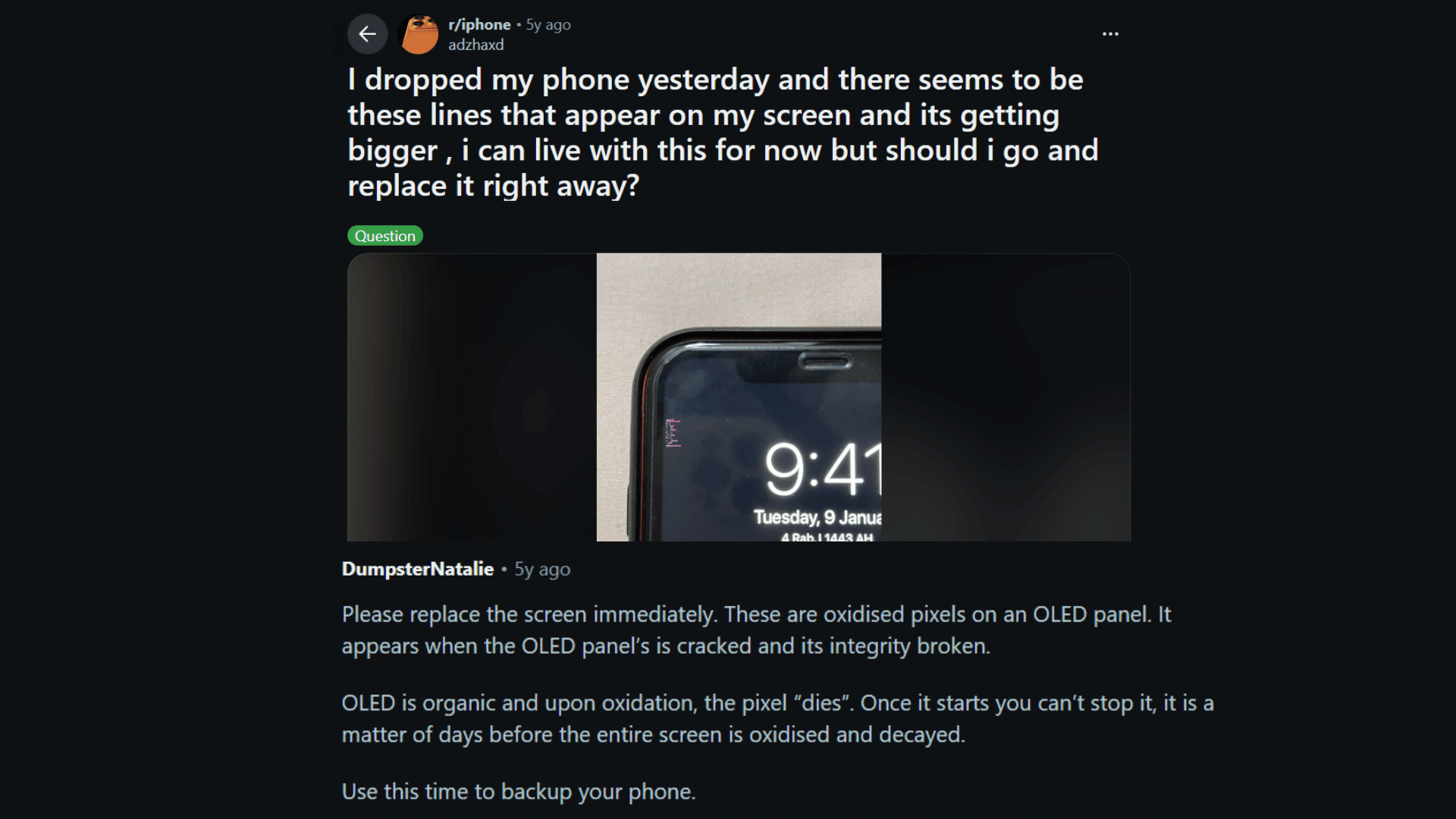
Reddit highlights a common smartphone display issue in which lines appear on the screen after a device is dropped.
The discussion describes an iPhone that developed visible pink lines on the display, with the lines gradually increasing in size following the impact.
Community feedback indicates that this symptom is often associated with OLED screen damage, in which cracks within the panel compromise the display’s integrity and cause pixels to deteriorate over time.
According to the response in the thread, oxidized pixels on a damaged OLED panel can continue to fail, causing the display condition to progressively worsen rather than stabilize.
The recommendation provided is to replace the screen as soon as possible to prevent complete display failure.
The discussion also stresses backing up important data right away, as pixel damage may make the device unusable and block access to stored files.
IPv4 vs. IPv6: Key Differences
While network settings rarely cause screen glitches, they can affect internet speed, app responsiveness, and overall online performance.
| Feature | IPv4 | IPv6 |
| Address Space | Uses about 4.3 billion addresses. | Supports a much larger number of unique addresses. |
| Address Length | 32-bit addresses. | 128-bit addresses. |
| Header Complexity | More complex and requires additional processing. | Simpler header design for improved efficiency. |
| Routing Efficiency | Relies more on routing tables and network address translation. | Offers more direct and efficient routing. |
| Network Performance | Can experience congestion in heavily used networks. | Designed to handle growing internet traffic more effectively. |
| Security Support | Security features are optional. | Includes built-in support for IPsec security. |
| Device Connectivity | Limited address availability may require shared addresses. | Provides unique addresses for a vast number of devices. |
| Impact on Phone Performance | May contribute to slower connectivity in some network environments. | Can improve connection efficiency when supported by networks and devices. |
| Can It Cause Phone Glitches? | No, but poor network performance may cause apps to appear slow or unresponsive. | No, though connectivity issues can sometimes resemble performance problems. |
How to Tell the Difference Between Hardware and Software Issues?
Software issues usually affect how your phone operates, while hardware issues involve physical components such as the screen, battery, or internal circuits.
In general, software problems can often be fixed through updates or resets, whereas hardware problems typically require repair or replacement.
One of the easiest ways to tell the difference is to look at when the problem started and how your phone behaves.
If glitches appear after a software update, app installation, or storage overload, the cause is often software-related.
Problems such as app crashes, lagging, and freezing commonly fall into this category.
On the other hand, screen lines, unresponsive touchscreens, charging failures, or issues that begin after a drop or exposure to water often point to hardware damage.
Understanding the source of the problem can help you choose the most effective solution.
Preventing Future Phone Glitches
Good maintenance habits can reduce the risk of software issues, performance slowdowns, and hardware-related problems over time.
- Keep Your Software Updated: Regular updates fix bugs, improve security, enhance stability, and help your phone perform more efficiently overall.
- Avoid Filling Storage to Capacity: Maintaining free storage space ensures essential system processes and apps operate without performance interruptions.
- Install Apps From Trusted Sources: Downloading apps from official stores reduces the risk of malware, compatibility issues, and software conflicts.
- Close Unused Background Apps: Limiting background activity frees memory resources and helps prevent lag, freezing, and battery drain.
- Protect Your Phone From Physical Damage: Using a sturdy case and screen protector helps reduce damage from accidental drops and impacts.
- Monitor Battery Health: Replacing an aging battery when necessary can improve performance and reduce unexpected shutdowns or slowdowns.
- Prevent Overheating: Keep your phone out of extreme heat to maintain performance and protect sensitive internal components.
- Restart Your Phone Periodically: Occasional restarts refresh system processes, clear temporary errors, and support smoother device performance.
When Should You Visit a Technician?
You should visit a repair technician if phone glitches persist after basic troubleshooting or if physical damage is suspected.
Persistent display issues, hardware failures, and water damage usually require professional attention.
While many phone glitches can be fixed through software updates, storage cleanup, or device resets, some problems point to underlying hardware issues.
Screen lines, touch issues, random restarts, or flickering after a drop often point to internal damage. Similarly, phones exposed to water may develop corrosion that worsens over time.
Battery swelling, severe overheating, and charging problems also warrant professional inspection.
If your phone still glitches after basic fixes, a technician can find the cause, stop more damage, and suggest the best repair option.
Conclusion
Phone glitches can be frustrating, especially when they interrupt everyday tasks or appear without warning.
The good news is that many issues have clear causes and practical fixes.
Doesnt matter if the problem is related to software, storage, overheating, network settings, or screen damage; identifying the source is often the first step toward a solution.
I hope this guide has helped you better understand why your phone may be glitching and what you can do to fix it.
Simple troubleshooting can often fix performance issues and avoid repairs, but ongoing problems may need professional help to prevent more damage.
Have you dealt with a glitching phone or screen lines? Share what caused it and how you fixed it below.
Frequently Asked Questions
How to Tell if a Phone Is Being Hacked?
Signs include unusual battery drain, overheating, unknown apps, excessive data usage, frequent pop-ups, unauthorized account activity, and unexplained performance issues.
Is There a Test to See if the Phone Is Hacked?
There is no single definitive test. Check for suspicious apps, review account activity, scan for malware, and monitor unusual battery, data, or device behavior.
What Is the Secret iPhone Everyone Should Know?
Many users overlook the Privacy & Security settings, which let you manage app permissions, tracking, location access, and security protections in one place.
How to Know if the Phone Is Being Bugged?
Warning signs include unusual background noise during calls, rapid battery drain, unexpected device activity, increased data usage, and unfamiliar apps or settings changes.